
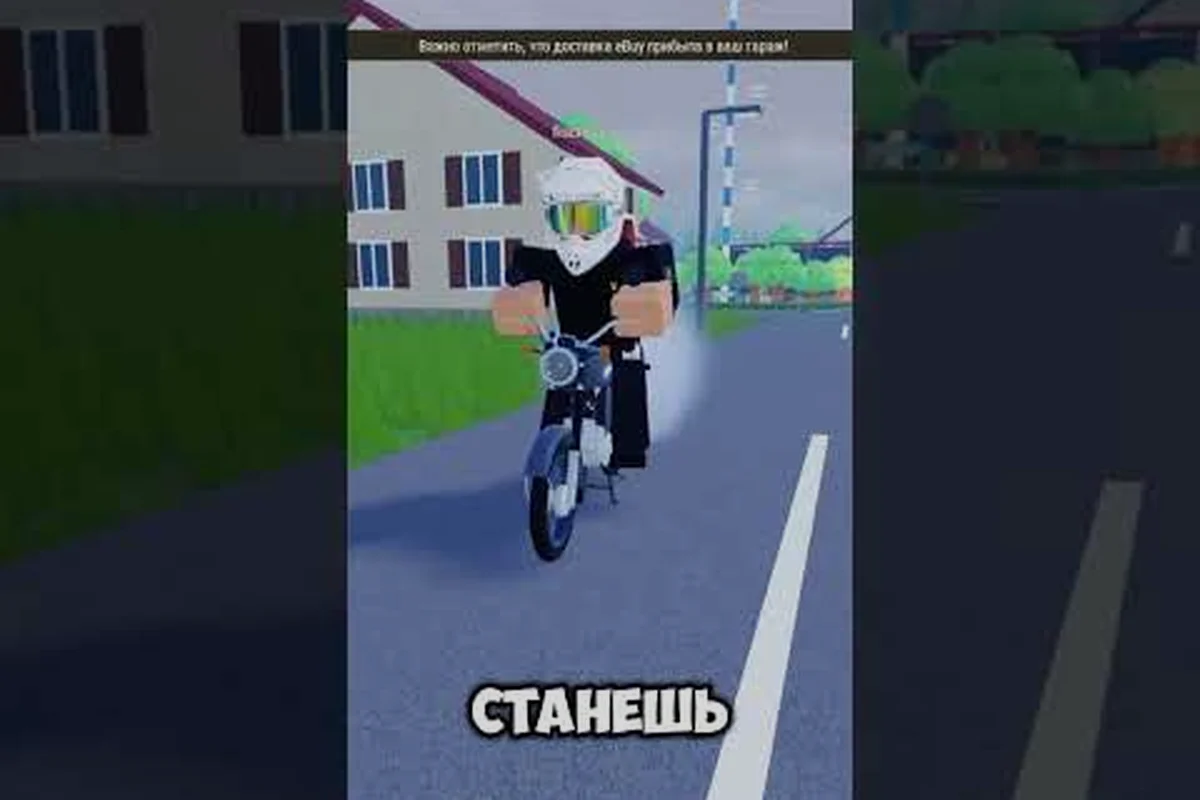
German Moped Days fuel consumption decides whether your delivery run ends at the doorstep or on the shoulder of a country road. Every kickstart burns a little, every long trip burns a lot, and the two-stroke tank under your seat does not forgive sloppy planning. Understanding how fuel actually drains — and how to refill it cheaply — is the difference between a profitable shift and a stranded moped.
What Burns Your Fuel While Riding
Fuel in German Moped Days behaves like a real two-stroke system rather than a simple arcade bar. The tank holds a limited volume, consumption scales with throttle and distance, and the engine needs a correctly blended premix before it will run cleanly. Community gameplay footage from creators like Keule's German Moped Days sessions shows riders planning fuel stops mid-route, which confirms that distance and consumption are genuinely linked in the current build.
Three variables drive how fast your tank empties: throttle discipline, route length, and engine state — and in German Moped Days they compound rather than act alone. A moped held at full throttle on a flat stretch burns noticeably richer than one cruising at part throttle, so a long cross-map delivery run at high RPM can drain a full tank before you reach the drop-off, while the same distance ridden conservatively leaves enough reserve for a detour. Engine state multiplies the effect: a poorly tuned carburetor or a lean premix ratio forces the engine to run richer, raising per-kilometer consumption on every route regardless of how gently you ride.
-
Throttle discipline — holding full throttle on flat roads wastes fuel you cannot recover.
-
Route length — a cross-map delivery costs far more than a short town loop.
-
Engine state — a poorly tuned moped burns richer and drinks more per kilometer.
Because fuel stations sell petrol for Euros, every wasted liter is money out of your delivery profit — and in German Moped Days that loss compounds fast. A full tank at full throttle on a cross-map run can drain before the drop-off, forcing an emergency refuel that eats the payout you just earned. At roughly the price of a short town loop's worth of petrol, one careless high-RPM stretch can wipe out the margin on an entire delivery. That economic pressure is why experienced riders treat the fuel gauge as a business metric, not a cosmetic detail: they short-shift, coast downhill, and top up at the cheapest station before a long trip rather than gambling on reserve.
The Two-Stroke Premix Requirement
A vintage moped engine does not accept plain gasoline. You need a two-stroke oil mix before the tank is usable, and the ratio matters — too little oil damages the engine, too much fouls it. Players commonly follow the classic oil-to-fuel blending habit used by real vintage mopeds, then top off at a station. If you are still learning the blending steps, the fuel mixing guide walks through the ratio and the order of operations.
Why Consumption Varies Between Riders
Two players on identical mopeds can report very different fuel drain because riding style dominates the numbers. Aggressive acceleration, constant wheelies, and stop-start traffic all push consumption upward. Smooth cruising at moderate throttle keeps the tank fuller for longer, which is exactly why long-trip planning rewards patience over speed.
German Moped Days Fuel for Kickstart and Engine Start
Starting the engine is the cheapest fuel event in the game, but it is not free. Each kickstart pulls a small amount of fuel into the cylinder, and repeated failed attempts add up quickly if your moped is cold or badly tuned. The practical rule is simple: get the start right the first time and you barely notice the cost.
The table below summarizes how starting behavior affects your fuel budget, based on community observation of the beta build. Note that premix fuel consumption during a cold kickstart is not linear: a clean first-kick fire burns roughly the same trace amount as a warm restart, but each failed kick after the first still draws fuel into the cylinder without combustion, so three botched attempts can cost more than a single successful cold start. This is why the german moped days fuel for kickstart matters most on long-trip planning — a rider who reliably one-kicks their moped saves enough premix over a multi-day route to cover an extra fuel stop, while a flooded engine forces both wasted fuel and a cooldown wait before the next attempt.
| Start Scenario | Fuel Cost | Engine Response | Best Practice |
|---|---|---|---|
| Clean cold kickstart | Very low | Fires in 1-2 kicks | Choke briefly, then release |
| Repeated failed kicks | Low but cumulative | Floods, harder to start | Stop, wait, retry |
| Warm restart | Minimal | Immediate | No choke needed |
| Start after long idle | Low | Slightly sluggish | Prime once, kick firmly |
Getting the First Kick Right
A cold engine wants a short choke and a firm, complete kick rather than a series of weak jabs. If the moped refuses to catch after two or three attempts, continuing to kick only wastes fuel and risks flooding. The engine start walkthrough covers the choke timing and kick technique that keeps the start cost minimal.
Fuel for Kickstart vs. Fuel for Riding
New riders often worry about start-up fuel when the real drain happens on the road. A single kickstart consumes a fraction of what a five-minute ride burns, so optimizing your start saves cents while optimizing your route saves Euros. Treat start-up fuel as a rounding error and focus your planning on trip distance instead.
German Moped Days Fuel for Long Trip Planning
Long trips are where German Moped Days fuel consumption becomes a real survival mechanic. A delivery that crosses the map can empty a partially filled tank before you reach the destination, and running dry far from a station means a long, slow walk back. Planning refueling before you accept a long job is the single most valuable habit you can build.
Use this planning table to decide when to top off before a long run: the Long cross-map delivery row pairs a high tank draw with a mandatory pre-departure fill and a planned mid-route stop, while the Multi-delivery chain row tells you to refuel between jobs rather than mid-run. Because a full German Moped Days tank only stretches so far, matching your refuel timing to trip type keeps german moped days fuel consumption from stranding you on a long haul — top off before departure on any high-use job, and buy at night to pay less per liter.
| Trip Type | Approx. Tank Use | Refuel Before Departure? | Notes |
|---|---|---|---|
| Short town loop | Low | No | Top off only if under half |
| Medium cross-town | Moderate | Recommended | Buy at night for lower price |
| Long cross-map delivery | High | Yes, always | Plan one mid-route stop |
| Multi-delivery chain | High | Yes | Refuel between jobs, not during |
Timing Your Fuel Purchases
Community and press reports agree that fuel is cheaper at night, so smart riders time their big purchases after dark. If you know a long delivery is coming, buying the night before locks in the lower price and guarantees a full tank for the morning shift. This one habit compounds across a play session and quietly protects your profit margin.
Route Selection and Consumption
Two routes of equal distance can consume different amounts of fuel depending on terrain and traffic. Hilly stretches and dense town centers force more throttle work, while open roads let you cruise efficiently. When a delivery offers multiple paths, the flatter, less congested option usually wins on fuel even if it looks longer on the map.
Managing German Moped Days Moped Fuel Levels
Keeping an eye on the gauge is basic, but knowing what each level means for your next decision is what separates prepared riders from stranded ones. The tank does not warn you twice — once it is empty, the engine dies and you are pushing.
| Gauge Level | What It Means | Recommended Action |
|---|---|---|
| Full | Safe for any trip | Accept long deliveries freely |
| Three-quarters | Comfortable | Fine for medium and long runs |
| Half | Caution zone | Refuel before a long trip |
| Quarter | Risky | Refuel now, avoid long jobs |
| Empty | Stranded | Walk to nearest station |
Checking the Gauge Against Trip Length
Before accepting any delivery, glance at the gauge and match it against the trip type. A half tank is plenty for a town loop but dangerous for a cross-map run. Building this check into your routine takes two seconds and prevents the most common beginner mistake: accepting a long job on a nearly empty tank.
Where Fuel Levels Interact With Tuning
A tuned engine can change your consumption profile. Performance tuning that increases power sometimes raises fuel use, while a well-maintained engine runs more efficiently. If you have been adjusting your setup, the engine maintenance guide explains how tuning choices affect reliability and running costs over time.
Refueling Strategy and Cost Control
Fuel stations sell petrol for Euros, and checking fuel levels before a delivery prevents running dry far from a station. Cost control is not about buying less fuel — it is about buying the right amount at the right time and never paying for a wasted trip.
Practical cost-control habits that work in the current build: treat the tank as a budget line, not a convenience. On a 50cc two-stroke running premix, the oil you add is part of the fuel bill, so measuring premix at a fixed ratio (commonly 1:50) keeps both petrol and oil spending predictable across a long trip. Track kilometres per litre rather than euros per fill — a moped that drops from 35 km/L to 28 km/L after a clogged jet is quietly costing you a fifth of every tank, which matters more than a few cents of pump price.
-
Buy at night when prices drop, and fill the tank completely.
-
Refuel between jobs, not in the middle of a delivery route.
-
Match tank size to trip length so you are not hauling fuel you will not burn.
-
Avoid idling — a running engine at a standstill still consumes fuel.
-
Keep the moped tuned so it burns at its designed efficiency.
The fuel station and pricing guide breaks down where to buy and how prices shift, which pairs naturally with the night-purchase habit most riders adopt. Pump prices in the current build follow a simple daily curve — cheapest in the early hours, climbing through the working day — so a rider who tops off after the last delivery of the evening pays noticeably less per litre than one who fills mid-shift. Filling the tank completely at that low point also cuts the number of separate station stops across a long trip, and each avoided stop is one less cold start and one less detour burning premix you already paid for.
The Endless Fuel Pass Consideration
Some players unlock an option that removes refuel pressure entirely, which changes how often you visit stations and how freely you accept long jobs. If you have that convenience, consumption planning matters less — but for everyone else, the gauge remains a core part of every delivery decision. Knowing which situation you are in shapes how aggressively you plan.
Building a Refueling Routine
The riders who never run dry follow the same loop: check the gauge, estimate trip cost, buy fuel at night, and refuel between jobs. None of these steps is complicated, but doing them consistently is what keeps the moped moving. A routine beats raw skill here, because fuel planning is a discipline rather than a reflex.
Reading Consumption Data and Community Reports
Because German Moped Days is still evolving, exact consumption numbers can drift between patches. Community creators such as BlockmasterMoped's tutorial channel document kick-start flow, tuning steps, and riding behavior, but even those videos note that beta values may shift. Treat any specific figure as a snapshot rather than a permanent constant.
How to interpret the data you find: read each figure as a conditional, not an absolute. A reported 2.1 L/100 km premix burn might assume full throttle on flat roads, while a 3.4 L/100 km figure could reflect stop-and-go kickstart cycles that dump extra fuel before the engine catches. Cross-reference the rider's stated premix ratio, moped tier, and route type against the numbers before applying them to your own german moped days fuel planning.
-
Check the date on any guide or video before trusting its numbers.
-
Compare multiple sources — a single report can reflect one rider's style.
-
Test on your own moped with a controlled route to see your real drain.
-
Re-verify after patches, since balance changes can alter consumption.
Why Personal Testing Beats Guesswork
Your moped, your tuning, and your riding style produce a consumption rate that no general guide can match exactly. Running one known route on a full tank and noting how much fuel it uses gives you a personal baseline. From there, every trip estimate becomes more accurate, and you stop guessing whether you can make it to the next station.
When to Trust Community Numbers
Community figures are most reliable when several riders report the same result across different sessions. When reports conflict, the safest assumption is the more conservative one — plan for higher consumption and you will rarely be caught short. This cautious approach costs a little extra fuel money but saves the far larger cost of a stranded delivery.
Frequently Asked Questions
Does starting the engine use a lot of fuel in German Moped Days?
No, a clean kickstart consumes only a tiny amount of fuel compared to actual riding. The cost becomes noticeable only when you repeatedly fail to start a cold or flooded engine. Getting the first kick right keeps start-up fuel negligible, so focus your planning on trip distance rather than engine starts.
How much fuel do I need for a long trip?
It depends on the route length and your riding style, but a long cross-map delivery can drain a substantial portion of the tank. The safe habit is to fill up completely before accepting any long job, and plan one mid-route refuel if the destination is far from a station.
Is premix fuel required before I can ride?
Yes, a two-stroke moped needs a correctly blended oil-and-petrol mix before the engine runs properly. Filling with plain gasoline alone will not work as intended. Follow the classic oil-to-fuel blending habit, then top off at a station once the mix is ready.
When is the cheapest time to buy fuel?
Community reports indicate that fuel is cheaper at night, so timing large purchases after dark saves money across a session. Buying the night before a long delivery locks in the lower price and guarantees a full tank for the morning shift, which protects your delivery profit.
What happens if I run out of fuel mid-route?
The engine dies and you are stranded until you walk to the nearest station for more fuel. This wastes time and can fail a timed delivery, which is why checking the gauge before every long trip is essential. A full tank before departure is the simplest way to avoid it.
Fuel planning in German Moped Days rewards riders who treat the tank as a budget rather than an afterthought. Watch the gauge, blend your premix correctly, buy at night, and refuel between jobs instead of mid-route. Do those four things consistently and your moped will keep earning instead of sitting on the roadside waiting for a walk of shame.