
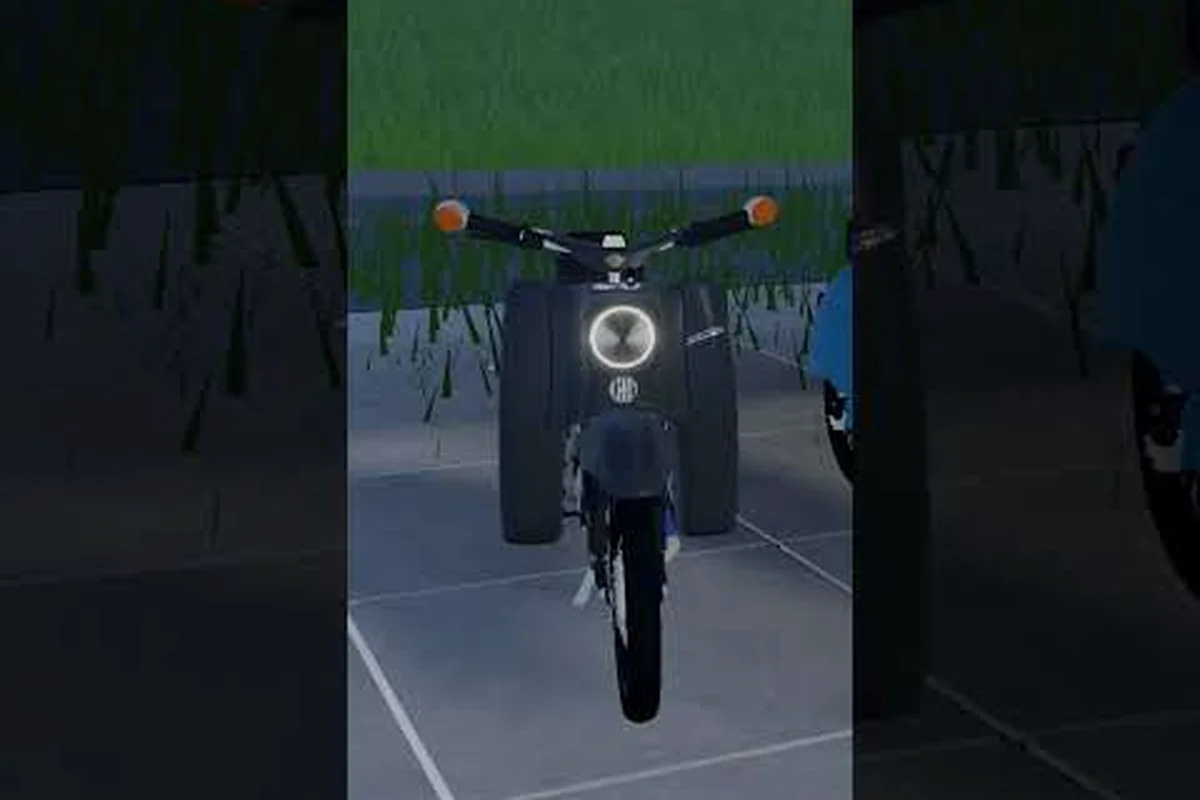
German Moped Days engine maintenance is the difference between a garage full of tired stock bikes and a fleet that actually pulls hard on the straights. Because worn parts quietly drain both speed and acceleration, keeping engines healthy is the cheapest performance upgrade you will ever make.
Why Engine Condition Drives Every Tuning Decision
Every performance part you bolt onto a moped sits on top of the engine underneath it. A cylinder kit, a sport exhaust, or a bigger carburetor only delivers its full value when the base engine is in good shape, which is why experienced builders treat maintenance as the first tuning step rather than an afterthought. According to community tutorials, tuning in this game revolves around engine work and part replacement, with cylinders, exhausts, and performance components raising a moped's top speed and acceleration together.
The practical takeaway is simple: a neglected engine caps your ceiling. If compression is low or a part is worn, you can spend a fortune on upgrades and still lose to a cleaner build running milder parts. That relationship between condition and output is the core reason german moped days moped repair belongs in your routine before any speed-focused shopping trip.
-
Worn parts reduce power output even when the part menu still lists them as installed
-
Fresh components restore baseline performance and let new parts reach their rated numbers
-
Engine health affects both top speed and how quickly a bike reaches it
-
Repair timing matters more than repair budget, since small fixes prevent big losses
Community reports also note that model-specific paths matter, so the MTX 110, MTX 130, and S51 each respond differently to the same part setup. You can compare how those platforms behave in the full moped lineup breakdown before committing money to a build.
Reading Your Engine Before You Spend
Before buying anything, ride the bike and note how it feels. A moped that hesitates, loses top-end pull, or sounds rougher than it used to is telling you the engine needs attention. Treat that feedback as your diagnostic tool, because the part menu will not always flag a component that is merely degraded rather than broken.
The Maintenance Routine That Protects Speed
A repeatable maintenance loop keeps every bike in your garage competitive without constant spending. The goal is to catch wear early, replace only what is actually limiting performance, and keep the rest of the drivetrain clean so your tuning money goes toward gains instead of repairs.
| Maintenance Step | What It Protects | When To Do It | Cost Impact |
|---|---|---|---|
| Inspect engine parts | Compression and power output | Before any tuning purchase | Free |
| Replace worn cylinders | Top-end speed | When acceleration drops noticeably | Medium |
| Swap tired exhausts | Mid-range pull | When the bike feels choked | Medium |
| Refresh carburetor setup | Throttle response | After any intake change | Low |
| Full engine service | Overall reliability | Before a long trip | High |
The order matters more than the individual steps. Inspecting first tells you which parts are actually holding the bike back, so you avoid replacing healthy components out of habit. Players who follow this sequence report that their tuning purchases land harder because the engine underneath is already performing at its baseline.
When To Repair Instead of Upgrade
Repair and upgrade are not the same decision, even though both happen in the same workshop menu. Repair restores a part to its intended performance, while an upgrade raises the ceiling above stock. If a bike is underperforming relative to its own history, repair it first; if it is performing exactly as designed but you want more, that is when tuning parts make sense.
Tuning for Speed: Priorities and Trade-offs
Chasing top speed is the most popular tuning goal, and it is also the one that punishes sloppy builds hardest. german moped days tuning for speed works best when you build in layers: restore the engine, then add parts that specifically raise top-end output, then verify the rest of the bike can handle the extra speed.
| Tuning Goal | Primary Parts | Secondary Parts | Risk |
|---|---|---|---|
| Top speed | Cylinder kit, exhaust | Carburetor | Overheating on long runs |
| Acceleration | Carburetor, gearing | Exhaust | Higher fuel use |
| Balanced build | Cylinder, exhaust, carb | Gearing | Slower to peak in any one stat |
| Budget build | Single best part | None | Limited ceiling |
A speed-focused build usually starts with the cylinder because it sets the engine's fundamental output. The exhaust then determines how efficiently that output escapes, and the carburetor controls how much fuel and air feed the system. Skipping any layer leaves performance on the table, which is why the S51 tuning path rewards players who plan the whole chain rather than buying one flashy part.
Why Acceleration Builds Feel Faster
Acceleration tuning changes how a bike feels more than speed tuning does, because you notice the difference every time you pull away. german moped days tuning for acceleration focuses on throttle response and low-end pull, which makes a moped feel quicker even when its top speed barely moves. For city riding and short routes, that trade is often worth more than a few extra km/h at the top end.
Understanding Tuning Stats and Levels
Every part you install feeds into a set of tuning stats, and those numbers are how the game communicates what your build is actually doing. Reading them correctly prevents wasted purchases, because a part that looks strong in isolation may not fit the stat profile your bike needs.
| Stat | What It Affects | Best Improved By |
|---|---|---|
| Top speed | Maximum velocity | Cylinder and exhaust |
| Acceleration | Time to reach speed | Carburetor and gearing |
| Power | Overall engine output | Cylinder upgrades |
| Reliability | Consistency under load | Maintenance and quality parts |
german moped days tuning stats are cumulative, so each part shifts the profile rather than replacing it. That means two builds with the same parts installed in a different order can end up feeling different, especially if maintenance was neglected along the way. german moped days tuning levels work the same way: each level raises what the bike is capable of, but only if the engine is healthy enough to use that headroom.
Tuning Stats to Your Riding Preferences
There is no single correct stat profile. A rider who spends most time on open roads benefits from top-speed investment, while someone weaving through traffic gets more from acceleration and throttle response. Check your own habits first, then build toward the stat that matches them instead of copying a build that was designed for a different route.
Budget Tuning Without Sacrificing Engine Health
Tuning gets expensive fast when you own several bikes, and the Cheap Tuning pass changes that math considerably by cutting part and tuning prices by 35 percent. That discount makes it far more practical to maintain a whole garage rather than pouring everything into one machine, and it also makes regular repair affordable enough to do proactively.
| Approach | Upfront Cost | Long-Term Cost | Best For |
|---|---|---|---|
| Repair only | Low | Medium | Keeping stock bikes alive |
| Repair plus one upgrade | Medium | Medium | Single-bike riders |
| Full tuning chain | High | High | Dedicated speed builds |
| Discounted bulk tuning | Medium | Low | Multi-bike garages |
The smartest budget strategy is to repair everything first, then spend the remainder on the one or two parts that unlock the biggest gain for each bike. Fuel choices interact with this too, since a leaner premix or a different fuel type can change how hard you can push an engine before it complains, and the fuel consumption guide explains how those choices affect range and engine stress on longer rides.
Avoiding the Classic Budget Mistake
The most common budget error is buying a performance part for a bike that still has worn components. The new part cannot compensate for the old one, so the bike feels barely faster and you conclude the upgrade was wasted. Repair first, upgrade second, and the same part will deliver noticeably more.
Model-Specific Maintenance Notes
Different mopeds in the game respond to different maintenance rhythms, and ignoring that leads to mismatched builds. The MTX 110 and MTX 130 behave differently under load, while the S51 has its own tuning culture built around specific part combinations. A hands-on 130/110 MTX tutorial from BlockmasterMoped walks through how the two engine sizes behave while riding and which tuning paths the community favors for each.
MTX 110 and MTX 130
The smaller MTX platform benefits more from acceleration-focused maintenance because its ceiling is lower, so squeezing responsiveness out of it pays off more than chasing a top speed it cannot reach. The larger displacement version tolerates speed tuning better, but it also punishes neglected maintenance harder because it works its components more aggressively.
S51 Considerations
The S51 sits in the middle and rewards balanced builds. Its tuning community leans toward matched part sets rather than single standout components, which means maintenance consistency matters even more. If one part wears faster than the rest, the whole set underperforms, so inspect the full chain rather than just the loudest component.
Frequently Asked Questions
How often should I do engine maintenance?
Inspect engine parts before every tuning purchase and after any long trip, then replace worn components as soon as acceleration or top speed drops noticeably. Proactive inspection is free and prevents the expensive cascade where one worn part damages the components around it.
Does maintenance actually improve speed?
Yes. Restoring worn parts returns the engine to its designed output, which raises both top speed and acceleration without buying anything new. Many players mistake degraded performance for a tuning ceiling when the real problem is simply a tired cylinder or exhaust.
What should I tune first for acceleration?
Start with the carburetor and gearing, since those control throttle response and how quickly the bike reaches its power band. Add an exhaust afterward to support the increased flow, and only move to cylinder work once the low-end feels consistent.
Are tuning stats worth paying attention to?
They are the clearest signal of what your build is doing. Because stats are cumulative, each part shifts the profile, so tracking them prevents you from stacking parts that overlap instead of covering different weaknesses in the setup.
Is the Cheap Tuning pass worth it for maintenance?
For anyone maintaining more than one moped, yes. A 35 percent reduction on parts and tuning prices makes regular repair affordable across a whole garage, which means fewer bikes sit neglected while you save up for a single build.
Final Thoughts on Keeping Engines Strong
German Moped Days engine maintenance is not a chore that competes with tuning, it is the foundation that makes tuning work. Repair worn parts first, read your tuning stats honestly, and match your build to how you actually ride. Whether you chase top speed, acceleration, or a balanced setup, a healthy engine is what turns parts into performance, and the riders who maintain consistently are the ones whose builds keep delivering long after the first upgrade.