
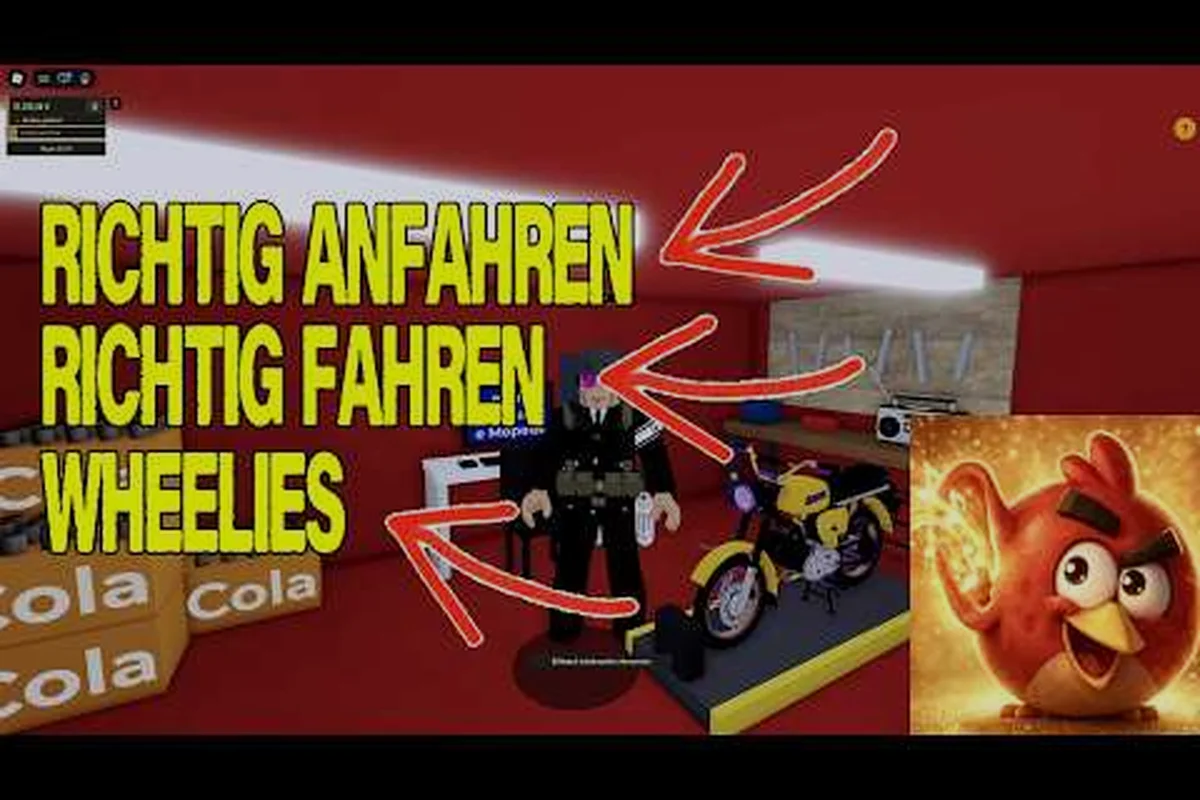
German Moped Days save fuel is the difference between a short cruise and a full evening on the road, because every wasted drop of two-stroke mix eats into your euro budget. This fuel saving guide shows how throttle control, smart refuel timing, and night discounts keep your tank full for less.
Why Fuel Management Decides Your Session Length
Fuel in German Moped Days is not a background stat you can ignore. It is a survival mechanic that quietly sets the ceiling on how far you can ride, how many deliveries you finish, and how much money you keep at the end of a shift. A two-stroke moped needs a correctly mixed oil-and-petrol blend before long trips, so a simple gasoline fill will not carry you through an extended route. Players who treat the fuel meter as an afterthought usually find themselves stranded mid-route, paying for a tow or walking back to a station on foot.
The core tension is simple: distance costs fuel, and fuel costs euros. Every hard acceleration, every unnecessary detour, and every late-night panic refuel pulls money out of the same wallet you are trying to grow. Understanding that trade-off early turns fuel from a nuisance into a controllable expense.
-
Throttle discipline keeps the mix burning efficiently instead of dumping it out the exhaust.
-
Route planning cuts wasted kilometers before they ever hit the meter.
-
Refuel timing decides whether you pay full price or catch a discount window.
Community reports consistently show that fuel is cheaper at night, which means the same tank of petrol can cost noticeably less depending on when you buy it. That single detail reshapes how you should schedule long rides. Instead of filling up whenever the meter dips, you plan purchases around the cheaper hours and stretch each tank further. The rest of this guide breaks that strategy into concrete habits you can apply on your next session.
How to Read the Fuel Meter Right
The fuel meter is your most important instrument, and misreading it is the most common beginner mistake. A partially filled bar does not mean you have room to spare; it means you have a fixed number of kilometers left before the engine cuts out. Players who learn to translate the meter into distance rather than "how full it looks" avoid the classic mid-route stall.
Watch how the bar drops under different riding styles. Aggressive acceleration drains it faster than steady cruising, and uphill stretches burn more than flat roads. Once you can predict the drop rate, you can decide whether to push to the next station or refuel early at a better price.
What Running Dry Truly Costs
Running out of fuel is more expensive than any fill-up. When the tank empties, you lose time, you may lose a delivery, and you often pay a premium to recover. That recovery cost usually exceeds what you would have spent on a planned refuel at a discounted hour. Treating the reserve as sacred — never letting the meter fall below a safe threshold — is one of the cheapest habits in the game.
Fuel Saving Riding Habits That Actually Work
The biggest fuel savings come from how you ride, not from where you buy. Smooth inputs keep the two-stroke engine in its efficient range, while jerky throttle and constant braking waste the mix you already paid for. The table below compares common riding styles against their approximate fuel impact, based on community testing.
| Riding Style | Throttle Behavior | Relative Fuel Use | Best For |
|---|---|---|---|
| Steady cruise | Low, consistent | Lowest | Long deliveries, commuting |
| Moderate acceleration | Medium, gradual | Moderate | Mixed routes with stops |
| Aggressive sprint | High, frequent | Highest | Short time-limited runs |
| Stop-and-go | Constant braking | High | Dense city traffic |
The pattern is clear: the calmer your inputs, the further each tank stretches. You do not need to crawl everywhere — you need to avoid the wasteful spikes that burn fuel without buying you meaningful time. Look at the table again: the gap between "steady cruise" and "aggressive sprint" is not a small margin, it is the difference between topping up every few days and refuelling almost daily. On a 50cc two-stroke, hard acceleration from a standstill dumps far more fuel into the cylinder than the engine can burn efficiently, so the excess simply exits as unburnt mix through the exhaust. German moped days reward the rider who rolls on the throttle gradually, short-shifts through the low gears, and holds a steady 30–35 km/h cruise instead of surging to 45 and braking back down. That single habit change is where most of your euro savings per tank actually come from.
Throttle Control Basics
Throttle control is the single highest-impact habit for saving fuel. Ease into acceleration instead of pinning the throttle, and let the moped build speed gradually. According to the riding tutorial from BlockmasterMoped's Fahr-tutorial and wheelie tutorial, the throttle, balance, and control habits that make cruising feel natural are exactly the same habits that keep fuel consumption low. Players who master smooth throttle input report noticeably longer range per tank.
Coasting and Momentum
Momentum is free fuel. When you approach a stop or a downhill, ease off the throttle early and let the moped coast rather than braking hard at the last second. Every meter you cover while coasting is a meter you did not pay for. This habit compounds over a long session, quietly adding kilometers to every tank.
Avoiding Idle Waste
Sitting still with the engine running burns fuel for zero progress. If you are waiting on a delivery, checking a map, or planning a route, cut the engine. Idle time adds up faster than most players expect, especially during long sessions with frequent stops. Treat any stationary moment as a chance to save.
Refueling at the Cheapest Hours
When you buy fuel matters as much as how you ride. Community and press reports agree that fuel is cheaper at night, so smart riders time their big purchases after dark. This is the heart of any solid german moped days night fuel guide: shift your refueling to the discount window and let the savings fund longer rides.
| Time of Day | Relative Fuel Price | Recommended Action |
|---|---|---|
| Daytime peak | Full price | Buy only what you need |
| Evening | Slightly reduced | Top up before long routes |
| Night | Lowest | Fill the tank completely |
| Late night | Lowest | Stock up for the next day |
The strategy is straightforward. During expensive hours, buy the minimum to reach the next station. During cheap hours, fill the tank to the brim so you carry discounted fuel into the following day. Over a week of sessions, this timing alone can cut your german moped days fuel cost euros by a meaningful margin.
Planning Routes Around Stations
Route planning and refuel timing work together. If you know a cheap station sits near the end of your delivery loop, you can run the tank lower before topping up. If the only station on your path charges full price, buy just enough to escape that zone. Mapping stations against their price windows turns refueling from a reactive chore into a planned expense.
When to Skip a Refuel
Not every stop deserves a fill-up. If you are close to a discount window, push a little further and buy later. If your remaining fuel covers the next leg comfortably, skip the station entirely and keep the euros in your pocket. The discipline to wait is often worth more than the convenience of topping up early.
Understanding Fuel Costs in Euros
Fuel cost in euros is the number that ties every habit together. Each fill-up draws from the same budget you use for repairs, upgrades, and savings, so overspending on petrol directly slows your progress. The table below breaks down how different refueling habits affect your euro balance over a typical session.
| Refuel Habit | Frequency | Euro Impact | Long-Term Result |
|---|---|---|---|
| Full fill at night | Low | Lowest per liter | Maximum savings |
| Partial fill daytime | Medium | Higher per liter | Moderate drain |
| Emergency refuel | High | Premium cost | Heavy drain |
| Ignoring the meter | Unpredictable | Recovery fees | Worst outcome |
Players who track their spending quickly notice that emergency refuels and daytime top-ups are the two biggest leaks. Both are avoidable with a little planning. If you want a broader look at balancing fuel against other expenses, the german moped days economy guide covers how fuel fits into your overall money management.
Budgeting Fuel Against Other Costs
Fuel is one line item among many, and treating it that way keeps your budget honest. Set aside a rough fuel allowance for each session, then decide how much of it goes to discounted night fills versus emergency top-ups. When fuel is planned, it stops competing with the upgrades you actually want.
Weighing What the Endless Pass Gives Up
The Endless Fuel pass removes refuel pressure entirely, changing how often you think about the fuel meter on long rides. For players who ride constantly, the pass can be worth it because it eliminates both the cost and the mental overhead of refueling. For casual riders, the same euros may stretch further as discounted fuel. Weigh how often you ride before committing.
Refueling Step by Step
Knowing exactly how to refuel keeps you efficient and prevents costly mistakes. The process is short, but doing it in the right order — and at the right time — is what separates a cheap session from an expensive one. The single biggest lever is timing: a full tank bought during the night fuel window at a discounted price per liter carries that cheaper rate forward into your next daylight rides, so a 5-liter fill during cheap hours can shave a meaningful slice off your running cost in euros compared to topping up mid-day. Filling at the wrong moment, or only partially, forces you back to the pump sooner — often at full price.
-
Check the meter and estimate how many kilometers remain before the engine cuts out.
-
Decide the timing: if a discount window is close, wait; if not, buy the minimum.
-
Prepare the mix by blending oil and petrol correctly for your two-stroke engine.
-
Fill the tank completely during cheap hours to carry discounted fuel forward.
-
Log the cost so you can see which habits drain your euros fastest.
That last step is easy to skip but pays off. Players who track their refuel spending spot waste patterns within a few sessions and adjust before the leak grows. If you want the deeper mechanics behind mixing and fuel types, the german moped days fuel types guide explains how each blend behaves on the road.
Mixing Oil and Petrol
A two-stroke moped needs the correct oil-to-petrol blend, not a plain gasoline fill. Getting the ratio right protects the engine and keeps combustion efficient, which in turn stretches every liter. Skipping the mix or guessing the ratio wastes fuel and risks damage that costs far more than the petrol itself.
Common Refuel Mistakes
The most expensive mistakes are predictable: refueling at peak hours, ignoring the reserve, and running dry because the meter "looked fine." Each one is a small decision with a large bill. Avoiding them costs nothing and saves consistently. Players who fix these three habits alone often see their fuel spending drop without changing anything else.
Building a Long-Term Fuel Strategy
Saving fuel is not a one-time trick; it is a routine you repeat until it becomes automatic. The riders who spend the least on petrol are not the ones with secret discounts — they are the ones who ride smoothly, refuel at night, and never let the tank run dry. Stack those habits and the savings compound across every session.
| Weekly Habit | Effort | Fuel Saved | Why It Works |
|---|---|---|---|
| Night fills only | Low | High | Lowest per-liter price |
| Smooth throttle | Medium | High | Efficient combustion |
| Route planning | Medium | Moderate | Fewer wasted kilometers |
| Reserve discipline | Low | Moderate | No emergency fees |
Start with the two low-effort habits — night fills and reserve discipline — because they deliver the fastest return. Add smooth throttle and route planning once the basics feel natural. Within a week of sessions, the difference in your euro balance becomes obvious.
Adjusting for Longer Sessions
Long sessions magnify every habit, good or bad. A wasteful throttle style that costs a little on a short ride costs a lot over an evening. Before a long ride, fill at night, plan your stations, and commit to steady inputs. The longer you ride, the more each small saving matters.
When to Spend More
Sometimes spending more is correct. If a delivery pays well and time is tight, a daytime top-up can be worth it. If you ride constantly, the Endless Fuel pass may beat discounted fuel. The goal is not to spend the least on every single fill — it is to spend least overall while still enjoying the ride.
Frequently Asked Questions
Is fuel actually cheaper at night in German Moped Days?
Yes. Community and press reports agree that fuel is cheaper at night, so timing your big purchases after dark reduces your per-liter cost. Fill the tank completely during the discount window and carry that cheaper fuel into the next day's rides.
How do I stop running out of fuel mid-route?
Treat the reserve as sacred and never let the meter fall below a safe threshold. Learn how fast the bar drops under your riding style, then refuel before you reach the limit. Planned refuels at night cost far less than emergency recovery.
Does riding style really change fuel consumption?
It does. Smooth throttle, coasting, and avoiding idle waste all stretch each tank further, while aggressive acceleration and constant braking burn the mix faster. The same control habits that make cruising feel natural also keep consumption low. Think of it as cause and effect: every hard launch dumps extra fuel into the cylinder for a burst of speed you rarely need, and every late brake scrubs momentum you already paid for in euros. Ease the throttle up gradually, read traffic ahead so you can roll off early, and let the moped coast toward stops instead of fighting the brake lever. Over a full session, that gentler rhythm trims your per-liter burn enough to make each night fill at the discounted pump last noticeably longer.
What is the Endless Fuel pass and is it worth it?
The Endless Fuel pass removes refuel pressure entirely, so you stop worrying about the meter on long rides. It is worth it for players who ride constantly, while casual riders may save more euros by buying discounted fuel at night instead.
How much can I save with a fuel routine?
Players who combine night fills, smooth riding, route planning, and reserve discipline report the largest savings, since each habit stacks on the others. Over a week of sessions, the timing and throttle habits alone can noticeably cut your fuel spending.
Fuel in German Moped Days rewards planning more than luck. Ride smoothly, refuel at night, respect the reserve, and track what you spend — those four habits keep your tank full and your euros intact across every session. Stacked together, they compound: a night fill at the discounted pump plus a gentle throttle hand can stretch each liter noticeably further than either habit alone, while reserve discipline prevents the emergency top-up that wipes out your savings. Log your fuel cost in euros after every session so you can see which habit moves your spending most.