
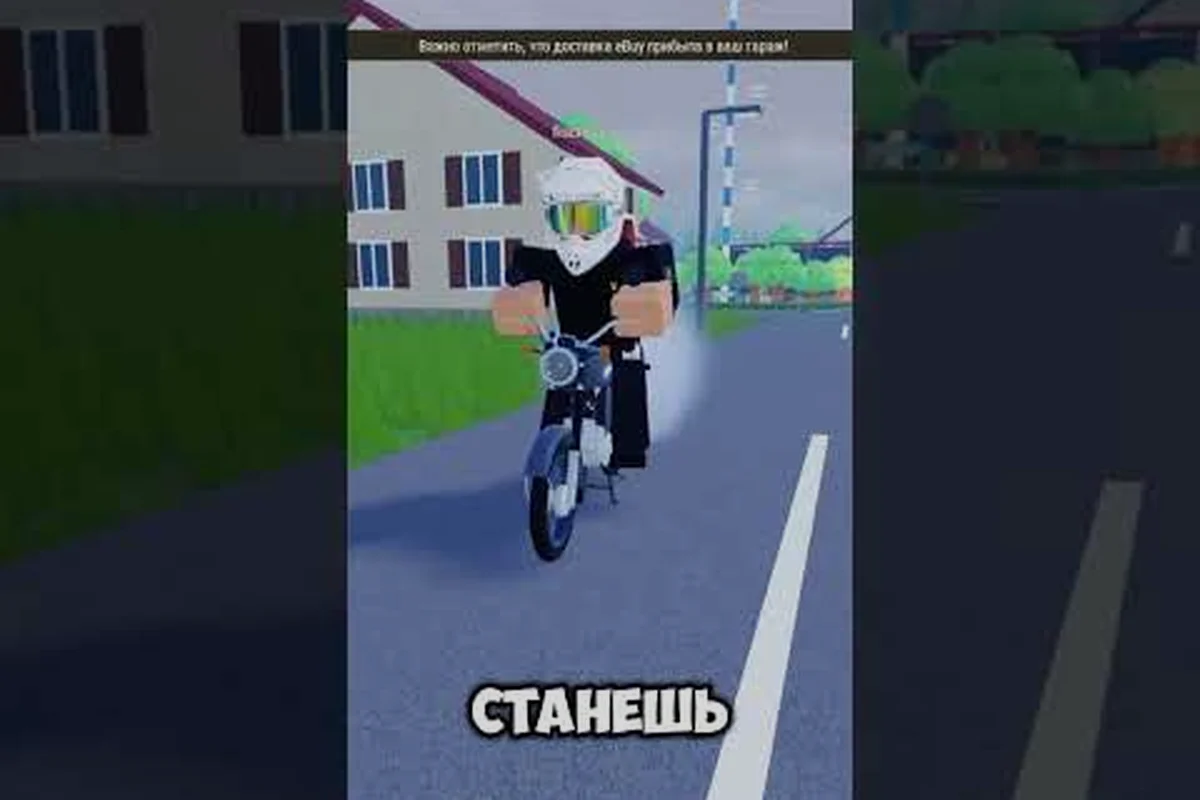
Fuel is the quiet gatekeeper of every ride in German Moped Days, and knowing your German Moped Days fuel types is what separates a smooth cruise from a long walk home. This breakdown covers each fuel option, how the fuel warning behaves, and a beta-tested strategy for staying topped up.
According to a detailed walkthrough of German Moped Days fuel types available on YouTube, the game distinguishes between different fuel mixtures that directly affect moped performance and engine behavior.
According to the German Moped Days official video, the fuel types available for mopeds include regular gasoline and the two-stroke oil mixture, which players must manage carefully to keep their vehicles running.
Why Fuel Types Matter in German Moped Days
Fuel in this Roblox experience is not a single universal resource. The moped runs on a two-stroke setup, which means the blend you pour in affects how the engine behaves on long trips. Community reports consistently describe fuel as a core survival mechanic rather than a cosmetic detail, and the basic overview video by MBT highlights that a two-stroke moped needs a correctly mixed oil-and-petrol blend before any extended ride.
That single design choice shapes everything downstream: how often you refuel, how much you spend, and how much risk you carry on a long route. Understanding the fuel system early saves you from the most common beginner mistake — running dry in the middle of nowhere with no station in sight.
Before drilling into individual fuel types, it helps to frame the whole system: German Moped Days treats petrol as a consumable tied to your two-stroke engine, not a one-time unlock, so the fuel you choose feeds directly into range, cost, and survival risk. The fuel types you encounter differ mainly in how they are obtained, how they mix with oil, and how efficiently they stretch a tank on longer routes — which is why the same moped can feel reliable on one run and fragile on the next.
-
Fuel is consumed continuously while the engine runs, not in discrete chunks per trip.
-
Blend quality matters — a proper two-stroke mix keeps performance stable across longer distances.
-
Timing affects cost — community and press reports agree that fuel is cheaper at night, so big purchases are best delayed.
-
The fuel warning is your last call — ignoring it usually means a stranded moped and a slow recovery.
-
Beta economics are tight — early players have limited currency, so every liter counts.
If you are still learning the basics of the experience itself, the getting started walkthrough covers the core loop before you worry about blend ratios. Treat that walkthrough as your foundation for the early beta economy: it explains how to earn starting currency, where the first fuel station sits on the map, and why a full tank of the cheapest two-stroke mix is usually the smarter opening purchase than upgrading the moped itself. Once you can reliably refuel without draining your wallet, the fuel types below start to make sense as a range-versus-cost tradeoff rather than an abstract stat.
The Two-Stroke Reality
Real vintage mopeds of the era this game draws from ran on a petrol-and-oil mixture, and the experience mirrors that habit. Players commonly follow the classic two-stroke oil-to-fuel blending routine used by real vintage mopeds, then fill the tank and ride. Getting the ratio wrong does not instantly destroy the engine, but it does change how the moped feels and how far a tank stretches.
What the Beta Changed
The beta build tightened fuel availability compared to earlier public versions. Stations exist, but they are not infinite, and the currency you spend on fuel competes directly with upgrades. That tension is intentional — it forces a decision about whether you invest in range or in speed.
Comparing the Available Fuel Types
The table below summarizes how each fuel category behaves in practice, breaking down blend requirements, typical cost, best use case, and risk level side by side. Values reflect community testing during the German Moped Days fuel guide beta period, where riders logged fill frequency and breakdown events across repeated runs, and may shift with future patches, so treat them as directional rather than absolute. Use the risk column as your first filter when planning a route, then match the blend to the distance you actually intend to cover.
| Fuel Type | Blend Requirement | Typical Cost | Best Use Case | Risk Level |
|---|---|---|---|---|
| Standard petrol | None (straight fill) | Low | Short errands around town | Low |
| Two-stroke mix | Oil added before fill | Medium | Long routes and highway runs | Medium |
| Premium blend | Precise oil ratio | High | Performance testing, races | Medium |
| Emergency reserve | Any available | Very high | Stranded recovery only | High |
The pattern is straightforward: the cheaper the fuel, the shorter the safe range. Standard petrol gets you moving immediately, but it will not carry you through an extended trip without a refill. The two-stroke mix is the workhorse option that most experienced riders settle on once they understand the ratio.
Standard Petrol vs. Two-Stroke Mix
Standard petrol is the entry point. It requires no preparation, costs the least, and works fine for the short loops new players run while learning the map. The tradeoff is range — you will be back at a station sooner than you expect.
The two-stroke mix costs more per liter but delivers steadier performance. According to community data, riders who switch to a proper mix report fewer mid-route stalls and more predictable fuel burn. If your routes are getting longer, this is the upgrade that matters most.
Premium and Emergency Options
Premium blends target players chasing performance rather than economy. The precise oil ratio costs more, and the benefit shows up in responsiveness rather than raw range. Emergency reserve is the opposite — a last-resort purchase at inflated prices when you have already run dry. Avoiding that scenario entirely is the whole point of a fuel strategy.
For a deeper look at ratios and mixing technique, the two-stroke mixing guide walks through the exact steps, from measuring oil by volume against a marked jerry can to the shake-and-settle check that confirms the blend before it reaches the tank. That precision matters most on premium blends, where a ratio skewed even slightly rich fouls the plug and erases the responsiveness you paid extra for, while one skewed lean risks a soft seize on a long climb. The same guide covers pre-mix storage limits, since fuel left standing past a few weeks loses the volatile fraction that makes cold starts reliable.
How to Fuel Your Moped Correctly
Refueling looks simple until you do it wrong under pressure. The sequence below reflects the workflow players describe in the beta, and following it in order prevents the two most common errors: filling with the wrong blend and overfilling past the warning threshold.
| Step | Action | Why It Matters |
|---|---|---|
| 1 | Park at a fuel station | Prevents spill and mid-fill movement |
| 2 | Check current fuel level | Tells you how much to buy |
| 3 | Select the blend type | Wrong blend hurts performance |
| 4 | Confirm the purchase | Currency is deducted immediately |
| 5 | Verify the gauge moved | Catches failed transactions early |
The critical step is the third one. Selecting a blend is a deliberate choice, not a default, and the interface does not always make the distinction obvious to a first-time player. Take the extra second to confirm what you are buying.
Reading the Fuel Gauge
The gauge is your primary instrument. It fills as you refuel and drains as you ride, and the rate of drain depends on your speed and route. Highway stretches burn faster than stop-and-go town riding, which is why a tank that feels generous in the city can vanish on an open road.
Confirming the Fill
After purchase, glance at the gauge before you ride off. A fill that did not register is rare but not unheard of during beta, and catching it at the station is far cheaper than discovering it three kilometers later. This habit takes two seconds and has saved plenty of players from an avoidable walk.
Understanding the Fuel Warning
The fuel warning is the game's way of telling you that your remaining range is now shorter than your likely next leg. It is not a suggestion — it is a deadline. Players who treat it as background noise are the same players who end up pushing a moped along the shoulder.
| Warning Stage | Approximate Remaining Range | Recommended Response |
|---|---|---|
| Early notice | Roughly a third of a tank | Plan your next station stop |
| Active warning | Under a quarter tank | Refuel at the next opportunity |
| Critical | Near empty | Stop immediately, do not gamble |
| Dry | Zero | Emergency reserve or recovery |
The exact thresholds shift with the beta build, so treat the ranges above as guidance rather than fixed numbers. What does not change is the escalation: each stage gives you less room to maneuver, and the cost of ignoring it rises sharply.
Why the Warning Triggers Early
The warning fires with a buffer built in, which is deliberate design. A moped that warns you at a quarter tank gives you enough range to reach a station under normal conditions. If you are on a long highway stretch with no station nearby, that buffer is the difference between a planned stop and an unplanned one.
What Happens When You Run Dry
Running dry stops the moped entirely. Recovery options exist but they are expensive relative to a normal fill, and they cost time you could have spent riding. The emergency reserve row in the comparison table above exists precisely for this scenario — it is a penalty, not a strategy.
A Fuel Routine You Can Trust in Beta
A fuel strategy in German Moped Days is less about any single decision and more about a routine you repeat until it becomes automatic — the same way beta players eventually stop checking the fuel warning and start reading the gauge instinctively. The steps below reflect what experienced beta players describe as their standard loop: buy after dark when prices drop, match the blend to the route length, and never let the tank fall below half. Treating that loop as one habit rather than five separate choices is what separates riders who constantly top up from those who plan every purchase around their next upgrade.
-
Buy at night when possible. Community and press reports agree that fuel is cheaper at night, so timing large purchases after dark stretches your currency further.
-
Match the blend to the route. Short town loops run fine on standard petrol; long routes justify the two-stroke mix.
-
Never pass a station below half a tank. The buffer you keep is the buffer that saves you.
-
Track your spend against upgrades. Fuel and performance compete for the same wallet.
-
Keep a reserve mindset. Treat the last quarter tank as empty and you will rarely be caught out.
Timing Purchases Around the Price Cycle
The night-price advantage is one of the most consistently reported findings in the community. It is a simple lever: same fuel, lower cost, purely because of when you buy. Players who plan their big fills around the evening cycle report noticeably better currency efficiency over a long session.
Balancing Fuel Against Upgrades
Every euro spent on fuel is a euro not spent on the moped itself. The Endless Fuel pass removes refuel pressure entirely, which changes how often you think about the meter on long trips — but for free-to-play riders, the balance is real. Decide early whether you are optimizing for range or for speed, because the two pull in different directions. The fuel-saving tactics breakdown covers the specific habits that stretch a tank furthest.
Common Fuel Mistakes to Avoid
Most fuel problems on German Moped Days trace back to a small set of repeated errors, and each one maps directly to a fuel type decision. Running straight petrol instead of the correct two-stroke mix on a long route causes frequent stalls, while ignoring the early fuel warning strands you mid-route. Recognizing these patterns before you ride is far cheaper than learning them on the shoulder.
| Mistake | Consequence | Fix |
|---|---|---|
| Ignoring the early warning | Stranded mid-route | Refuel at a third of a tank |
| Using straight petrol on long runs | Frequent stalls | Switch to two-stroke mix |
| Buying during peak hours | Higher cost per liter | Fill at night |
| Skipping the gauge check | Failed fill goes unnoticed | Verify after every purchase |
| Overfilling past the threshold | Wasted currency | Fill to the warning line, not beyond |
The five mistakes share one root cause: each trades a few seconds of prevention at the pump for minutes or hours of recovery on the shoulder. Skipping the gauge check is the clearest example — a failed fill on German Moped Days goes unnoticed until the fuel warning triggers mid-route, forcing an unplanned stop far from any station. The fix costs nothing: verify the gauge reads full after every purchase, then refuel at a third of a tank rather than waiting for the warning light. Overfilling past the threshold wastes currency on fuel that sloshes out on the first corner, so treat the warning line as your ceiling, not your target.
The Overfill Trap
Overfilling feels harmless because the extra fuel is technically usable. In practice, it locks currency into a tank you were going to fill again anyway, and it removes the buffer that makes the warning useful. Fill to the line and stop.
The Route-Length Blind Spot
New riders tend to judge fuel needs by distance rather than by route type. A short highway sprint can burn more than a long town loop because sustained speed drains the tank faster. Plan by route character, not by map distance.
Frequently Asked Questions
What are the main German Moped Days fuel types?
The experience uses a two-stroke setup with a standard petrol option, a proper oil-and-petrol mix, a premium blend for performance, and an expensive emergency reserve. Most riders settle on the two-stroke mix once their routes get longer, because it delivers steadier performance and fewer mid-route stalls than straight petrol.
How do I fuel my moped without wasting currency?
Park at a station, check your current level, select the blend deliberately, confirm the purchase, then verify the gauge actually moved. Buying at night lowers the cost per liter according to community reports, and filling only to the warning line avoids locking currency into fuel you did not need yet.
What does the fuel warning actually mean?
It signals that your remaining range is shorter than your likely next leg, and it escalates through early, active, critical, and dry stages. The early notice gives you a buffer to plan a station stop, while the critical stage means stop immediately. Treating the warning as a deadline rather than a suggestion prevents most stranded-moped situations.
Is the Endless Fuel pass worth it in beta?
It removes refuel pressure entirely, which changes how often you think about the meter on long trips. For players who ride constantly and dislike the currency competition between fuel and upgrades, it simplifies the whole loop. For occasional riders, the standard night-purchase strategy covers most needs at no cost.
Why is fuel cheaper at night?
Community and press reports agree that the price cycle dips after dark, so the same fill costs less purely because of timing. It is the simplest efficiency lever available, requiring no upgrade or skill — just planning your larger purchases around the evening window instead of buying on impulse during peak hours.
Fuel types, warning stages, and purchase timing form one connected system, and the riders who treat them that way spend less and ride further. Pick your blend by route length, respect the warning the moment it appears, and buy at night when the price drops. Do those three things consistently and the fuel meter stops being a threat and becomes just another instrument on the dash.