
Running out of fuel mid-route is one of the fastest ways to lose a delivery run, and German Moped Days punishes riders who ignore the tank gauge. This guide covers recovery, refueling, and fuel economy so you never stall again. Knowing exactly where to buy fuel when your tank runs dry is half the battle, so keep our guide on where to buy fuel in German Moped Days handy before you set out.
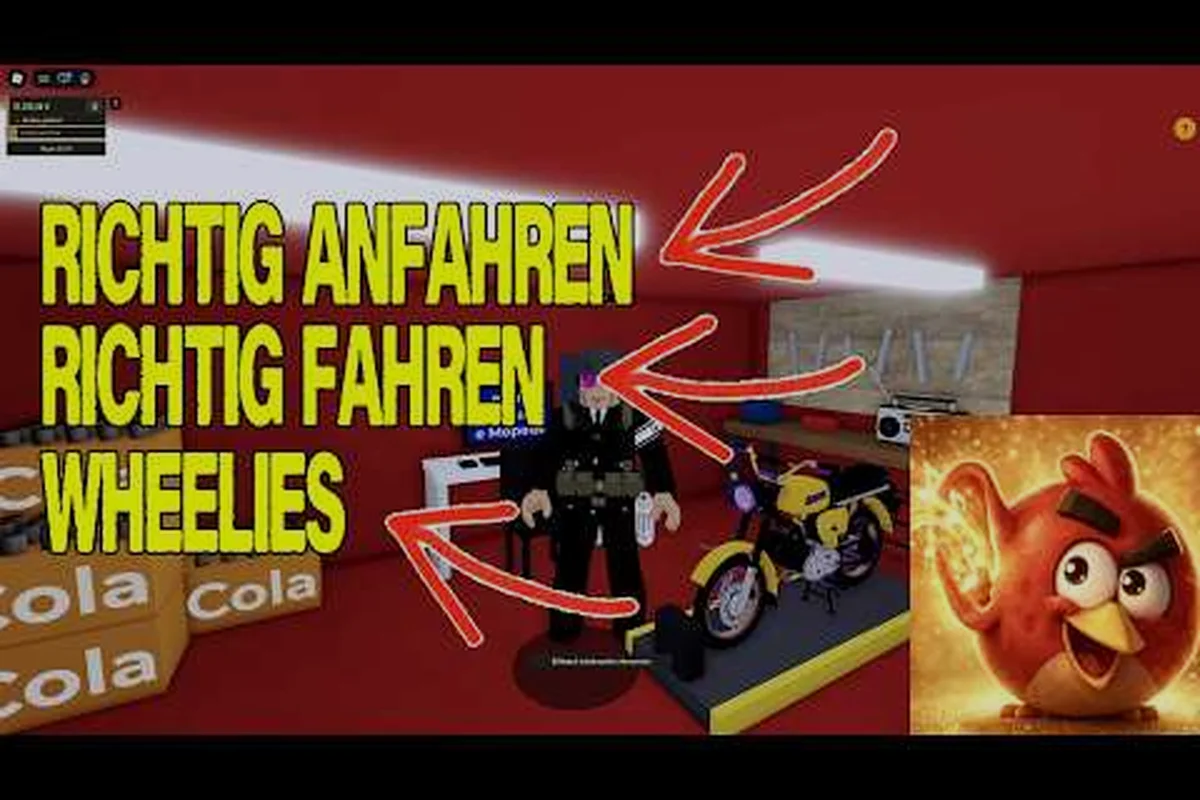
In German Moped Days, fuel is a finite resource that depletes as you ride, and once the tank runs dry the moped's engine cuts out and you must dismount and push the bike to the nearest gas station, as demonstrated in this gameplay footage of the fuel mechanics.
Why Running Out of Fuel Ends Your Run
The fuel meter is the quiet timer that governs every trip in German Moped Days. Unlike a health bar that refills between jobs, your tank only moves in one direction until you physically stop and refuel, which means a stalled engine on a rural stretch can wipe out an entire delivery before you reach the drop-off point. Players who treat fuel as an afterthought usually learn this lesson the hard way on their first long haul.
Fuel is a core survival mechanic rather than a cosmetic detail. A two-stroke moped needs a correctly mixed oil-and-petrol blend before long trips, not a simple fill of gasoline, and that blend affects both performance and how far a full tank actually carries you. Community gameplay footage from creators like Keule shows how quickly distance planning becomes the deciding factor once routes stretch beyond the starting town.
Here is what actually happens when the tank hits empty: the two-stroke engine sputters and dies within seconds, and because German Moped Days models fuel as a hard survival resource rather than a regenerating stat, there is no hidden reserve to limp home on. Your delivery timer keeps counting down in real time, so a stall on a rural stretch between towns can burn the entire job window before you even locate a canister. Without a spare fuel can or a jerrycan pickup routed into your trip, the only recovery is walking the moped to the nearest station — which is exactly why experienced riders top off before every long haul instead of gambling on the gauge.
-
Engine cut-out — the moped loses power instantly, often mid-corner or on a hill.
-
Delivery timer keeps running — your job clock does not pause while you are stranded.
-
No passive refill — you must reach a fuel source or a recovery option to move again.
-
Reputation risk — repeated failed deliveries slow your early-game income curve.
The practical takeaway is simple: treat the fuel gauge as a route-planning tool, not a warning light you react to. Riders who check the tank before every long trip rarely experience the frustration of being stranded, because they build refueling into the trip itself instead of hoping the next station appears in time.
How the Fuel Meter Actually Behaves
The gauge drops faster under sustained high speed and heavy throttle than it does during steady cruising, which surprises riders who assume distance alone determines consumption. Based on community testing, aggressive acceleration and constant top-speed riding burn noticeably more fuel per kilometer than a relaxed pace, so the same route can cost you very different amounts depending on how you ride it.
How to Refuel and Recover When You Are Stranded
Knowing how to refuel is the difference between a minor detour and a ruined run. The process is straightforward once you understand where fuel comes from and how the two-stroke mix works, but new riders often waste time searching for a station while their delivery timer bleeds out.
The recovery flow breaks into clear stages. First, identify whether you are near a fuel station or far out on a rural road. Second, if a station is reachable, push or coast toward it rather than abandoning the moped. Third, refuel using the correct oil-and-petrol blend so the engine runs cleanly afterward. Skipping the mix step can leave you with a moped that starts but performs poorly.
| Situation | Best Recovery Option | Time Cost |
|---|---|---|
| Near a fuel station | Push to pump and refuel | Low |
| Mid-route, station behind you | Coast downhill, then refuel | Medium |
| Far rural stretch | Return to nearest town | High |
| Endless Fuel pass active | No recovery needed | None |
The table above reflects how most players prioritize recovery. The Endless Fuel pass removes refuel pressure entirely, which changes how often you even think about the fuel meter on long rides. For riders who have not bought that pass, the fuel mixing guide explains the exact oil-to-petrol ratio so a refill does not damage performance.
Step-by-Step Refueling
Follow this sequence to refuel without wasting time or fuel: on German Moped Days, fuel is consumed continuously from the moment your engine turns over, so idling at the pump while you fumble with the fuel interaction directly eats into the same tank you are trying to fill. Each second spent stationary still burns fuel at the idle rate, meaning a sloppy stop can cost you the very buffer you need to reach the next station on the endurance route. Treat every refuel as a timed pit stop: decelerate early, line up your approach, and have the two-stroke blend ready before you even reach the handle.
-
Slow down and stop at the pump rather than rolling past it.
-
Open the fuel interaction and confirm your current tank level.
-
Add the correct two-stroke blend — oil and petrol mixed, not plain gasoline.
-
Verify the gauge has risen before pulling away.
-
Plan your next stop before the tank drops below a quarter.
Riders who refuel at a quarter tank instead of waiting for empty rarely get stranded, because the German Moped Days fuel gauge drops in real time and a quarter tank still leaves roughly enough range to cover one missed turn plus the detour back to the correct endurance route. Waiting until the warning light forces a panic stop mid-route, where the nearest pump may sit several blocks off the checkpoint line — exactly the scenario that ends most German Moped Days running out of fuel runs. Treating the quarter mark as your hard refuel trigger, not the empty mark, is what separates a clean endless fuel pass from a walk of shame.
Fuel Economy: Getting More Kilometers Per Tank
Fuel economy in German Moped Days rewards smooth riding far more than raw speed. Two riders on identical mopeds can cover very different distances on the same tank simply because one accelerates gently and the other pins the throttle everywhere. Understanding this gap is the single biggest lever for reducing how often you need to stop.
Community and press reports agree that fuel is cheaper at night, so smart riders time their big purchases after dark. That timing tip pairs well with economy riding: if you are already stretching each tank further through careful throttle control, buying at night multiplies the savings. The fuel saving guide covers the night-purchase timing in more depth for riders building a long-term budget.
| Riding Style | Relative Fuel Use | Best For |
|---|---|---|
| Gentle cruising | Lowest | Long deliveries |
| Mixed city riding | Moderate | Daily jobs |
| Constant top speed | Highest | Short sprints only |
| Heavy acceleration | Very high | Avoid unless racing |
The pattern is consistent across community reports: the riders who complain about constant refueling are usually the ones holding full throttle on every straight. Dialing back the aggression by even a small margin extends range meaningfully, and it costs you almost nothing in delivery time on most routes.
Tuning and Fuel Consumption
Engine tuning changes fuel behavior, and riders chasing top speed should understand the trade-off before installing performance parts. A tuned Simson with a larger displacement pulls harder but can drink fuel faster, so the tuning route and the economy route are not always the same build. If you plan to tune heavily, budget for more frequent stops or consider the Endless Fuel pass to offset the added consumption.
Endurance Fuel and the Endless Fuel Pass
Endurance fuel is the concept of maximizing how far a single tank carries you, and it sits at the heart of efficient play. Every decision — throttle control, route choice, refuel timing — feeds into how long you can ride before the next stop. Riders who master endurance fuel effectively turn a limited tank into a much longer effective range.
The Endless Fuel pass is the direct solution for players who would rather not manage the meter at all. It removes refuel pressure entirely, which is why it appears in so many long-haul strategies. Whether it is worth buying depends on how much you value uninterrupted riding versus the challenge of fuel management. The bigger garage pass breakdown compares this pass against other purchases if you are weighing where to spend first.
| Option | Fuel Pressure | Best For |
|---|---|---|
| Standard tank + planning | High | Players who enjoy management |
| Endurance riding habits | Medium | Budget-conscious riders |
| Endless Fuel pass | None | Long-haul and tuning builds |
For riders who keep the standard tank, endurance habits matter most. Coasting downhill, avoiding unnecessary idling, and refueling at a quarter tank all extend effective range without any purchase. Combined, these habits can cut your refueling frequency roughly in half compared to aggressive riding, according to community reports.
When the Pass Makes Sense
The pass pays off fastest for players running tuned mopeds or tackling long rural deliveries where a single stall can cost an entire run. If your routes are short and city-based, standard fuel management is usually enough, and you can put that money toward performance parts instead.
Planning Long Trips Without Stalling
Long trips are where fuel planning separates smooth riders from stranded ones. The core principle is to map fuel sources before you leave, not after the gauge drops. A route with two known stations is far safer than one with a single stop you might miss.
Use this planning checklist before any long delivery: confirm the tank sits above half at departure, since a German moped's 4–5 L tank and 2.0–2.5 L/100 km economy give roughly 180–220 km of range, and a 50cc two-stroke burns more when held at full throttle. Identify at least two fuel stops, flag rural stretches with no stations, weigh night refueling for the lower price, and hold a quarter-tank buffer for detours.
- Check the tank is above half before departure.
- Identify at least two fuel stops along the route.
- Note any rural stretches with no stations.
- Decide whether to buy fuel at night for the lower price.
- Keep a quarter-tank buffer for detours.
The buffer rule is the most important item. Riders who never let the tank fall below a quarter almost never get stranded, because the buffer absorbs wrong turns, traffic, and unexpected route changes. It costs a little extra refueling time but eliminates the far larger cost of a failed delivery.
Reading the Route Before You Ride
Route knowledge compounds over time. Once you learn which stretches lack fuel stations, you naturally adjust your refuel timing, and the fuel warning becomes a confirmation rather than a surprise. Experienced riders often refuel preemptively at a known station even when the tank is half full, simply because they know the next stretch is dry.
Frequently Asked Questions
What happens when you run out of fuel in German Moped Days?
The engine cuts out immediately and your delivery timer keeps running, so a stall mid-route can cost you the entire job. You must reach a fuel station or use a recovery option to move again, which is why checking the gauge before long trips matters so much.
How do you refuel a moped in German Moped Days?
Stop at a fuel station, open the fuel interaction, and add the correct two-stroke oil-and-petrol blend rather than plain gasoline. Verify the gauge has risen before pulling away, and plan your next stop before the tank drops below a quarter.
Is the Endless Fuel pass worth buying?
It depends on your routes and build. The pass removes refuel pressure entirely, which pays off fastest for tuned mopeds and long rural deliveries where one stall ruins a run. For short city jobs, standard fuel management is usually enough.
How can I improve fuel economy?
Ride smoothly instead of holding full throttle, refuel at a quarter tank, and buy fuel at night when prices are lower. Community reports show gentle cruising covers noticeably more distance per tank than constant top-speed riding on the same route.
Does tuning a Simson increase fuel consumption?
Yes. Larger-displacement tuning pulls harder but can drink fuel faster, so tuned builds often need more frequent stops. A cylinder kit and bigger carburetor raise top speed and acceleration but push consumption up sharply, meaning a route that runs fine on a stock 50cc setup can leave a tuned Simson dry before the final drop. Riders who tune heavily should budget for extra refueling stops or consider the Endless Fuel pass to offset the added consumption.
Fuel management in German Moped Days comes down to three habits: watch the gauge before every long trip, refuel at a quarter tank instead of empty, and ride smoothly to stretch each fill further. Riders who build these into their routine rarely get stranded, and when they do, they already know exactly how to refuel and recover without losing the run.