
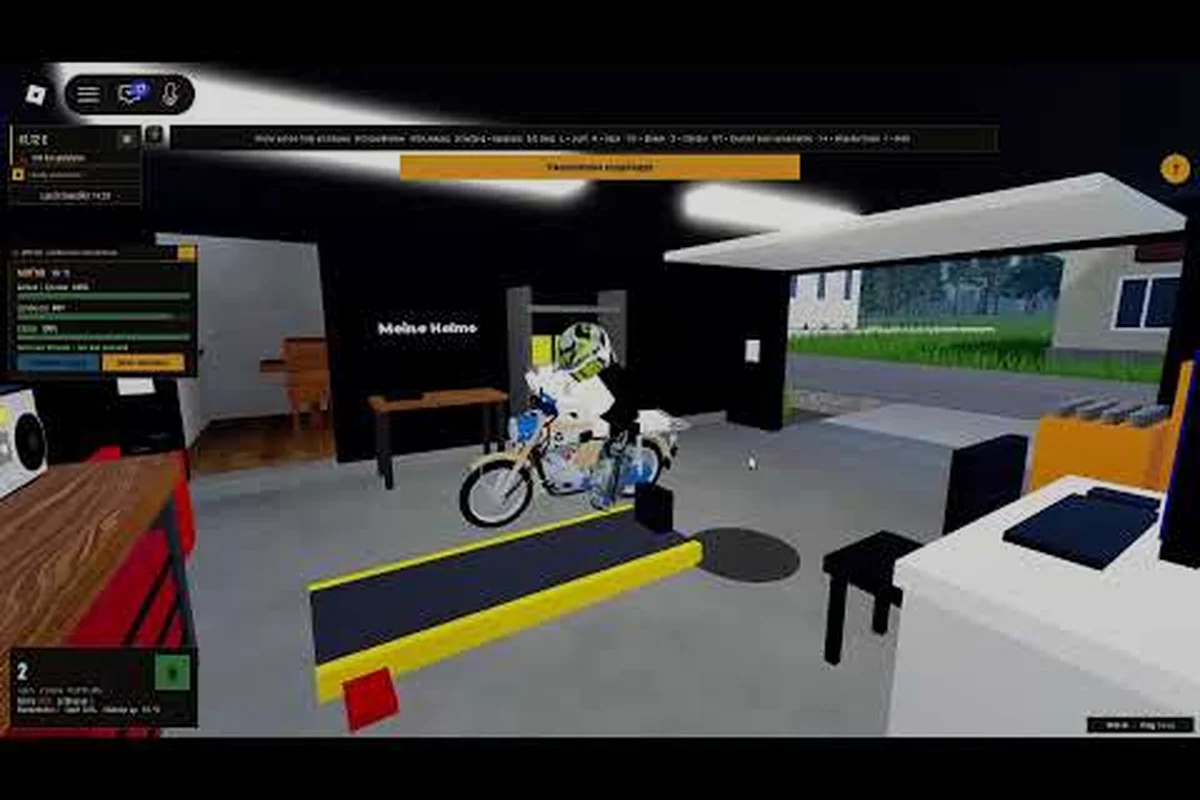
This German Moped Days moped comparison breaks down the Simson S51, MTX 110, and MTX 130 so you can pick the right ride before spending a single coin. Choosing wrong early costs you speed, cash, and hours of grinding, so the decision matters more than most new riders expect.
For a detailed side-by-side look at how these mopeds perform in practice, the German Moped Days moped comparison video documents real-world acceleration, top speed, and handling differences across the models featured in the event.
What the Community Roster Shows About Simson
The moped lineup in this experience leans hard into classic East German engineering, and the community roster is built around a strong Simson presence. Three machines dominate garage talk: the vintage Simson S51, the two-stroke MTX 110, and the larger MTX 130. Each one sits in a different spot on the price-versus-performance curve, and understanding that curve is the whole point of running a proper German Moped Days moped comparison before you commit.
New riders usually assume the most expensive bike is automatically the best, but that logic falls apart fast here. A stock S51 with a clean frame can out-handle a poorly tuned MTX 130 on tight routes, while the 130 only pulls ahead once you invest in the right parts. The roster rewards matching a bike to your playstyle rather than chasing raw displacement.
Here is the quick snapshot most players want first: the Simson S51 occupies the low price tier with a 50cc classic engine, making it the cheapest entry point and the strongest handler on tight routes despite its modest displacement. The MTX 110 sits mid-tier at 110cc two-stroke, offering a friendlier power band for balanced daily riding with a medium-high tuning ceiling. The MTX 130 tops the price tier at 130cc, delivering the highest raw speed and torque plus the very high tuning ceiling that only pays off once you fund the supporting parts.
| Moped | Engine Class | Price Tier | Best For | Tuning Ceiling |
|---|---|---|---|---|
| Simson S51 | 50cc classic | Low | First bike, style, handling | High |
| MTX 110 | 110cc two-stroke | Mid | Balanced daily riding | Medium-High |
| MTX 130 | 130cc two-stroke | High | Top speed, torque | Very High |
The Simson S51 is the iconic vintage frame that anchors European moped culture, and players consistently praise its classic look. The MTX 110 is pitched at 110-class performance with a friendly power band, while the MTX 130 adds power, torque, and extra tuning options on top of the smaller variant. If you are still figuring out where these bikes even spawn, the moped unlock locations walkthrough maps out every pickup point.
Simson S51: The Classic Starter That Grows With You
The Simson S51 earns its reputation as the heart of the garage. According to community reports, it is the bike most players grab first because it is affordable, forgiving, and endlessly customizable through paint, lights, and later tuning parts. A 130cc Simson build even shows up in community content as a favorite for first starts and custom garage work, which tells you the frame scales far beyond its stock form.
What makes the S51 special is not raw speed — it is the handling feel. The lighter frame turns quickly, so tight city routes and delivery runs feel responsive instead of sluggish. That agility matters when you are learning the map and stacking early progress, and it is a big reason the S51 stays relevant long after you could afford something bigger.
Why Beginners Should Start Here
Starting on the S51 keeps your early economy healthy. You spend less upfront, bank the difference for parts, and learn throttle control on a bike that will not punish small mistakes. The upgrade path is also the deepest of the three, so the S51 never becomes dead weight in your garage.
| S51 Strength | Why It Matters |
|---|---|
| Low entry price | Preserves cash for tuning |
| Light frame | Sharper cornering and control |
| Deep custom options | Paint, lights, and engine swaps |
| Strong community support | Plenty of build references |
The trade-off is clear: stock top speed trails the MTX bikes. If your goal is winning straight-line sprints on day one, the S51 will feel slow until you tune it. Riders who value control and style over raw numbers tend to stick with it anyway.
MTX 110 vs MTX 130: Reading the Two-Stroke Gap
This is the core of any serious German Moped Days moped comparison. Both MTX bikes share a two-stroke character, but the displacement gap changes how each one behaves on the road. The MTX 110 delivers a smoother, more predictable power band that suits everyday riding, while the MTX 130 trades some of that gentleness for punch and top-end pull.
A hands-on tutorial from the community breaks down how the two engine sizes behave while riding and which tuning paths players favor, and the takeaway is consistent: the 110 is the smarter all-rounder, and the 130 is the enthusiast's platform. If you plan to tune aggressively, the 130's extra headroom pays off. If you just want a reliable daily rider, the 110 keeps costs down without feeling weak.
| Spec | MTX 110 | MTX 130 |
|---|---|---|
| Displacement | 110cc | 130cc |
| Power band | Smooth, predictable | Aggressive, torquey |
| Top speed | Moderate | High |
| Tuning options | Solid | Extensive |
| Price | Mid | High |
| Ideal rider | Daily commuter | Speed chaser |
The MTX tuning guide explains which parts unlock the most performance on each engine size, and it is worth reading before you decide, because the 110 and 130 respond differently to the same upgrades.
Picking Between the Two MTX Bikes
Choose the MTX 110 if you want a balanced machine that handles deliveries, cruising, and light tuning without draining your wallet. Choose the MTX 130 if you are chasing top speed and plan to invest in performance parts. Neither is objectively better — they simply serve different riders, and the right answer depends on how you actually play.
How to Get a Moped and Where to Buy One
Understanding the roster is only half the battle; you also need to know how to actually acquire these bikes. The good news is that getting your first moped is straightforward once you know where to look, and the process is friendlier than most new players fear.
The general flow works like this: you earn starting cash through early deliveries and simple jobs, locate the moped shop or pickup point on the map, then select a bike that matches your current budget before completing the purchase and taking your first ride. From there, you reinvest earnings into tuning parts. In German Moped Days, the cheapest reliable options — often a stock Simson moped — cost far less than the MTX 110 or MTX 130, so buying the budget bike first leaves you enough cash for upgrades. Skipping straight to the MTX 130 usually drains your funds, leaving nothing for tuning parts and stalling your delivery income until you grind more jobs.
-
Earn starting cash through early deliveries and simple jobs
-
Locate the moped shop or pickup point on the map
-
Select a bike that matches your current budget
-
Complete the purchase and take your first ride
-
Reinvest earnings into tuning parts
If you are wondering how to get a moped without wasting time, focus on the cheapest reliable option first and upgrade later. Buying the most expensive bike immediately usually leaves you with no cash for parts, which slows your overall progress. The progression guide covers how XP and deliveries feed your budget so you can time your purchase well.
Using the Moped Shop Wisely
The moped shop is where you buy moped upgrades and new frames, and it is worth visiting even when you are not ready to spend. Checking prices early helps you set a savings target. Community chatter suggests most players buy their second bike once delivery income stabilizes, which is a sensible benchmark to aim for.
| Purchase Stage | Recommended Action |
|---|---|
| First bike | Buy the S51 or cheapest option |
| Early game | Save for tuning parts |
| Mid game | Add an MTX 110 for balance |
| Late game | Invest in an MTX 130 build |
Matching Your Moped to Your Riding Style
The best moped is the one that fits how you actually ride, and that is the single most useful principle in this entire German Moped Days moped comparison. Two players with identical budgets can make opposite correct choices depending on whether they value control, speed, or style.
Before you buy, think about your priorities: do you want Simson S51's nimble cornering and cheap entry price, the MTX 110's low-maintenance balance for daily commuting, or the MTX 130's higher top speed and torque for aggressive riding? In German Moped Days, each moped's tuning ceiling and cosmetic options differ, so decide whether paint, lights, and engine swaps matter more than raw performance. Your budget and riding style should drive the choice, not the sticker price alone.
-
Control and cornering → Simson S51
-
Balanced daily riding → MTX 110
-
Top speed and torque → MTX 130
-
Cosmetic customization → S51 or MTX 130
-
Cheapest entry → Simson S51
Riders who love customizing paint and lights gravitate toward the S51 and the 130 because both offer rich cosmetic and tuning options. Speed-focused players lean toward the 130, while commuters who want low maintenance favor the 110. There is no wrong answer as long as it matches your goals.
Budget Versus Performance
Spending more does not automatically mean riding faster. A well-tuned S51 can outperform a neglected MTX 130, and a stock 110 often beats a poorly built 130 in real-world routes. The smartest approach is to buy within your means, then invest steadily in tuning. This keeps your garage flexible and your cash flow healthy.
| Priority | Best Pick | Reason |
|---|---|---|
| Lowest cost | Simson S51 | Cheapest reliable entry |
| Best all-rounder | MTX 110 | Balance of speed and cost |
| Highest ceiling | MTX 130 | Most tuning headroom |
| Best style | Simson S51 | Classic vintage frame |
Tuning Potential Across the Roster
Tuning is where these bikes truly separate. The Simson S51 has the deepest upgrade culture, the MTX 110 offers solid mid-tier gains, and the MTX 130 unlocks the most aggressive builds. Community tutorials emphasize that the 130's larger engine responds best to performance parts, while the 110 stays cheaper to maintain.
If you want to push a bike to its limit, the 130 is the platform to build on. If you prefer gradual, affordable improvements, the S51 and 110 reward steady investment. The Simson tuning breakdown digs into the specific parts that transform a stock S51 into a genuine performer.
When Tuning Is Worth It
Tuning pays off most when you plan to keep a bike long-term. Upgrading a frame you will sell in a week wastes money, so commit to a platform before you buy parts. Players who tune the S51 early often keep it as a permanent garage staple because the investment keeps paying off.
Frequently Asked Questions
Which moped is best for beginners in German Moped Days?
The Simson S51 is the best beginner choice because it is affordable, forgiving, and easy to customize. Its light frame teaches throttle control without punishing mistakes, and its deep tuning path keeps it useful long after you could afford a bigger bike.
Is the MTX 130 worth the higher price?
Yes, if you plan to tune aggressively and chase top speed. The MTX 130 offers more power, torque, and tuning headroom than the 110, but it costs more upfront. Riders who prefer balanced daily riding may find the MTX 110 a better value.
How do I buy a moped in the game?
Start by running early deliveries to build a cash buffer before visiting the moped shop, since the cheapest reliable option — typically the Simson S51 — costs less than the MTX 110 and leaves room for your first tuning parts. Locate the shop on the map, compare each bike's price against its upgrade ceiling, then buy within budget and reinvest delivery earnings into exhaust, carburetor, and gearing upgrades before chasing top speed. This staged approach keeps your German Moped Days progression efficient and avoids overspending on the MTX 130 too early.
Can I upgrade the Simson S51 to 130cc?
The Simson S51's community tuning scene is a major reason it stays competitive against the MTX 110 and MTX 130. Shared builds regularly push the stock 50cc cylinder to a 130cc kit, confirming the frame and gearbox tolerate far more displacement than factory spec — something the pricier MTX platform can't match for cheap, incremental upgrades. That deep aftermarket support means S51 owners can reinvest delivery earnings into exhaust, carburetor, and gearing one part at a time, keeping the German Moped Days grind affordable while still scaling toward top-speed builds.
What is the difference between the MTX 110 and MTX 130?
The MTX 110 has a smoother, more predictable power band suited to everyday riding, while the MTX 130 delivers more power, torque, and top-end pull. The 130 also offers more tuning options, making it the enthusiast's pick. In practice, that gap shows up in the upgrade ceiling: the 110 responds well to exhaust and carburetor changes but plateaus sooner, whereas the 130's larger displacement leaves headroom for aggressive cylinder, gearing, and carburetor builds that keep climbing toward top speed. For German Moped Days players balancing delivery income against long-term performance, the 110 is the safer daily commuter, and the 130 is the platform worth saving for once your cash buffer supports serious tuning.
Final Verdict on the Roster
This German Moped Days moped comparison comes down to matching a bike to your goals rather than chasing the biggest number. The Simson S51 wins for beginners, style lovers, and anyone who wants the deepest tuning path. The MTX 110 is the balanced all-rounder for daily riding, and the MTX 130 is the platform for speed chasers who plan to invest in performance parts.
Budget discipline matters more than raw specs here: a stock Simson S51 at around 60 km/h leaves you roughly €1,500–2,000 of headroom for a 60cc kit, carburetor, and exhaust before you approach the price of a used MTX 130. The MTX 110 sits in the middle — cheaper to insure and easier to source parts for at a German Moped Days moped shop, but with a lower ceiling once you start chasing top speed. Tune in stages, log each change, and let your riding style — daily commuting versus weekend tuning sessions — decide whether you outgrow the S51 or the MTX platform first. A well-chosen, well-tuned moped will always outperform an expensive bike you never learned to build properly.