
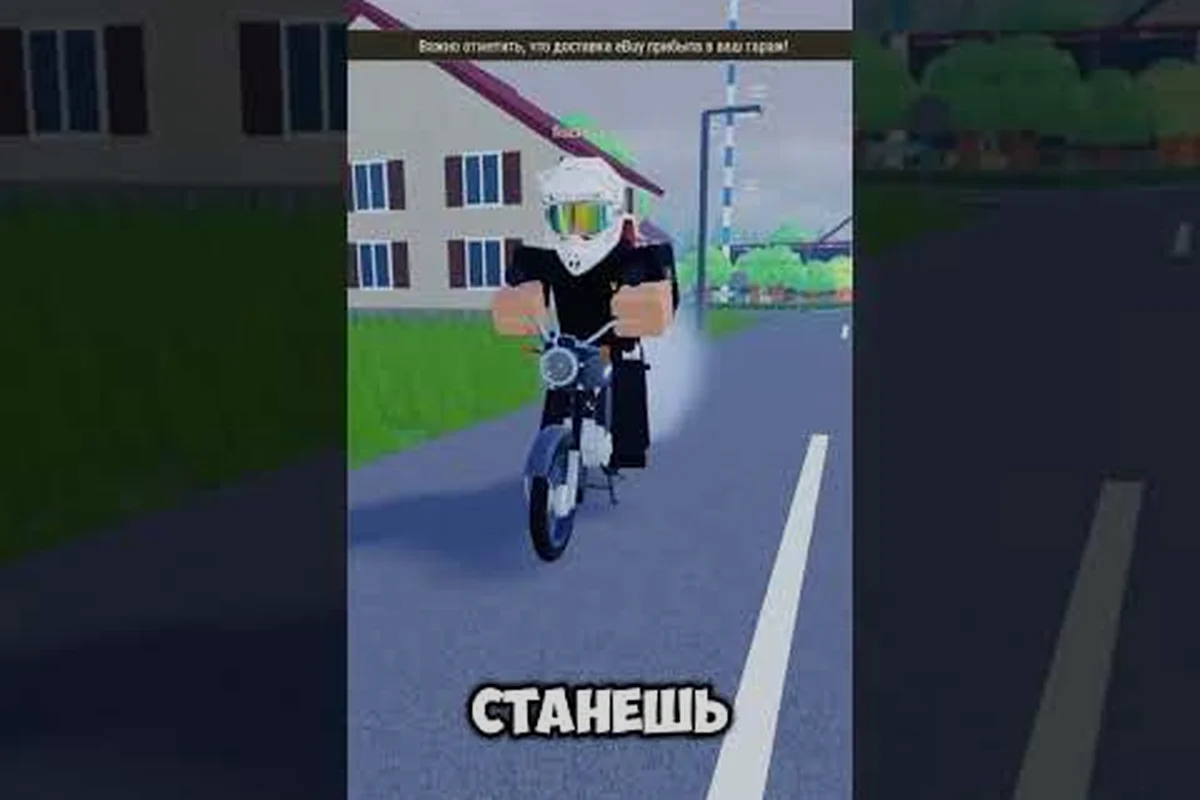
Every Euro you save when buying a moped is a Euro of pure profit later, which is why German Moped Days negotiate prices tactics matter so much for your wallet. This guide shows you how to buy mopeds cheaper, flip them for more, and stretch every delivery payout.
According to German Moped Days buyer negotiation footage, negotiating prices with buyers is a core mechanic that directly affects how much profit you walk away with after each deal.
Why Price Negotiation Drives Your Moped Economy
In German Moped Days, the only currency is Euros, and every activity that earns them also feeds character XP. That means your money decisions compound: a cheaper purchase leaves more capital for fuel, tuning, and the next flip. Players who treat the market as a fixed-price shop leave a huge amount of value on the table, because the buying and selling side of the game rewards patience and timing far more than raw grinding.
The core loop is simple. You earn Euros through delivery jobs, spend some on fuel and upkeep, and reinvest the rest into better bikes. The faster you turn a cheap buy into a profitable sale, the faster your balance grows. Negotiation is the lever that makes this loop spin faster than simply riding more hours.
The main money levers differ sharply in effort versus payoff. Delivery grinding demands hours of riding for steady but slow Euros, while buying low and selling high needs only medium effort yet returns the highest profit per flip — making it the mid-game engine once you can read pricing. Fuel timing exploits the night discount for low-effort, constant savings at every stage, and Pass multipliers scale all your earnings long-term. Since flipping mopeds wins on return per hour, negotiation skill matters more than extra delivery shifts.
| Money Lever | Effort Required | Typical Payoff | Best For |
|---|---|---|---|
| Delivery grinding | High (time) | Steady but slow | Early game |
| Buying low, selling high | Medium | High per flip | Mid game |
| Fuel timing (night discount) | Low | Small but constant | All stages |
| Pass multipliers | Low (one-time) | Scales everything | Long-term |
The table makes one thing clear: flipping mopeds gives you the best return per hour once you understand pricing. Delivery work is your foundation, but the resale market is where real balances get built. Compare the columns directly: delivery grinding demands high time for steady but slow Euros, while buying low and selling high needs only medium effort yet pays high per flip — so a single well-negotiated trade can out-earn an entire evening of delivery shifts. That is why negotiation skill, not extra riding hours, becomes the mid-game engine once you can read pricing.
A big part of buying cheap is knowing when to walk away. If a seller wants top Euro for a bike with worn parts, the repair cost eats your margin. Experienced players price in the hidden costs before they even open a trade, which is exactly what separates a profitable flip from a break-even chore.
Reading the Moped Market Before You Buy
Before you spend a single Euro, you need a mental price sheet. Community reports suggest that moped values swing based on model demand, tuning potential, and how close a bike is to needing repairs. A model that is popular for delivery routes holds value better than an obscure one nobody wants to ride.
Start by tracking what similar bikes actually sell for, not what sellers ask. The asking price is a wish; the sold price is the truth. Once you know the real range, you can spot an underpriced listing instantly and move on it before other players do.
Use this quick reference to judge whether a listing is worth your time: a below-market ask on a model like the Simson S51 usually means the seller needs Euros fast, so open at roughly 60–70% of the ask and expect to settle near 80%; an at-market ask leaves no flipping margin, so lowball once and walk; an above-market ask on a bike with worn clutch plates or a seized engine is a trap, since rebuild parts can eat 200–300 Euros of your profit. Cross-check every listing against your three-sale price notes before you message the seller.
| Listing Signal | What It Means | Your Move |
|---|---|---|
| Below market ask | Seller is motivated | Negotiate hard, buy fast |
| At market ask | Fair but no margin | Offer lower, walk if refused |
| Above market ask | Seller overvalues bike | Skip or lowball |
| Worn parts, low price | Hidden repair cost | Factor repairs into offer |
The pattern is straightforward. Motivated sellers create margin, and your job is to find them. A bike listed slightly under the going rate often signals someone who needs Euros now, which is your opening to push the price down further.
Timing matters too. The fuel economy in this game rewards buying at the right hours, and the same logic applies to bikes. When more players are online and competing for the same models, prices climb. Shopping during quieter hours gives you more room to negotiate without a bidding war.
Keeping a simple note of three or four recent sale prices for each model you like turns guesswork into a system. Log the model, the sold price, the hour of the sale, and any known faults — a Simson S51 that moved for 1,400 Euros with a fresh clutch tells a very different story than one at 900 Euros with a seized engine. That habit alone can save you hundreds of Euros over a week of flipping, because when a below-market listing appears you already know whether the 60–70% opening offer is realistic or insulting.
Negotiation Tactics That Actually Lower the Price
Negotiation in German Moped Days is less about haggling theatrics and more about leverage. Your leverage comes from knowing the real value, being ready to walk away, and offering a clean, fast deal. Sellers respond to certainty, so a confident, fair-sounding offer often beats a lowball that feels like an insult.
Here is a step-by-step approach that players use to buy mopeds cheaper, and it works because each move shifts the conversation from emotion to arithmetic. The order matters: you anchor first, justify second, then close. Skipping straight to a lowball on a clean Simson S51 with matching papers usually kills the deal, since the seller reads it as a time-waster rather than a serious buyer.
-
Open with a specific number, not a vague "what's your best price." A concrete offer signals you know the market.
-
Point out real flaws like worn tires or missing tuning to justify a lower number without sounding rude.
-
Offer fast payment — a seller who needs Euros now will trade a few hundred off for an instant deal.
-
Bundle if possible. Buying two bikes at once often earns a discount on each.
-
Be ready to walk. The moment you seem desperate, your leverage disappears.
Each step builds on the last, and the sequence is what converts a browse into a discount. The specific number anchors the conversation so the seller is reacting to your math instead of defending an asking price; the flaw callout gives you a legitimate reason to move off that number — a Simson S51 with bald tires and no matching title is worth hundreds less than a documented one; and the fast-payment offer closes the gap by trading a small discount for certainty. Bundling amplifies all three: buying two mopeds at once lets you push the per-bike price down on each, which works especially well when a seller is clearing out a garage and wants the space back more than the last hundred Euros.
There is also a pass angle worth knowing. A negotiation-focused pass can tilt the odds in your favor, and the negotiation pass breakdown explains how those perks interact with the buying flow. If you flip often, the reduced friction pays for itself quickly.
The biggest mistake new flippers make is negotiating emotionally. They fall in love with a specific bike and overpay to secure it. Treat every purchase as a business decision, and you will consistently buy below market while others chase the same model at a premium.
Turning Cheap Buys Into High Resale Profits
Buying cheap is only half the equation. The other half is selling high, and that means presenting your moped as a finished, desirable product rather than a used bike. A clean listing with clear strengths attracts buyers who are willing to pay more.
Focus on what raises perceived value. A bike with fresh tuning, full fuel, and no visible wear sells faster and for more than an identical model that looks neglected. The small investment in presentation almost always returns more than it costs.
Use this resale checklist before listing any moped: photograph the bike in daylight after a full wash and chain degrease, note the exact odometer reading, and list every recent part swap (cylinder, carburetor jetting, exhaust) with the date it was installed. A buyer comparing two Simson S51 listings at the same asking price will almost always choose the one with documented maintenance over a vague "runs great" description, because that paperwork removes the risk of hidden repair costs. In a negotiation, that documented history is also leverage — you can hold your price instead of dropping it the moment a buyer points at a worn tire or a rattling chain guard.
-
Top off the fuel so the buyer can ride immediately.
-
Mention any tuning the bike already has, since buyers value performance.
-
Highlight reliability for delivery work, which is the main use case.
-
Set a price slightly above your target to leave room for negotiation.
-
Time the listing for peak online hours when demand is highest.
The fuel detail matters more than people think. A buyer who does not have to immediately spend Euros on fuel perceives your bike as a better deal, even at a higher asking price. It is a small psychological edge that adds up.
Tuning is another value multiplier. A bike that already runs efficiently saves the buyer time and money, and the S51 tuning cost guide shows how tuning prices affect what you can reasonably charge. Bikes with smart, affordable tuning tend to command a premium because they are ready to earn.
The golden rule of flipping is to never sell in a panic. If a Simson S51 listing sits for two or three weeks with no serious inquiries, the problem is usually the asking price, not the bike — but that does not mean slashing it overnight. Drop the price in 20- to 30-Euro steps every ten days, and each time you relist, refresh the title with a concrete selling point like "rebuilt Bing carburetor, 60 km/h setup" so the reduction looks like a repositioning rather than desperation. A buyer who senses panic will lowball you hard, often 40 percent below asking, and a moped sold in a hurry at that discount erases the entire margin you built by buying cheap. Patience protects your profit, and with thousands of buyers cycling through German moped days listings, there is always another one coming online.
Fuel, Fines, and the Costs That Eat Your Margin
Profit is not just what you earn; it is what you keep. Two silent margin killers in German Moped Days are fuel spending and police fines, and both can quietly drain a flip's profit if you ignore them. Planning routes and timing purchases keeps these costs low.
Fuel is cheaper at certain hours, so buying when prices dip lowers your running cost across every delivery. The fuel ratio and night discount guide breaks down how mixing ratios and timing interact, which is useful when you are calculating the true cost of operating a bike before you resell it.
Fines are the other leak. Police tickets take a slice of your balance, and players either ride carefully to avoid them or use a cheaper-fines option to cut ticket costs. If you are flipping bikes and riding them to test, careless riding can erase the profit from an entire sale.
Here is how these costs stack up against a typical flip: buy a moped at 800 Euros, spend 60 Euros on fuel across test rides and delivery runs (assuming you refuel during the night discount window rather than peak hours), and take one 150 Euro police fine for running a red light while testing top speed — that fine alone wipes out nearly 20% of your purchase price before you have even listed the bike. Add a 100 Euro repair for worn brakes and a 50 Euro tuning part you hoped would raise resale value, and your total outlay climbs to 1,160 Euros. If you sell at 1,400 Euros, your real margin is only 240 Euros, not the 600 Euros the sticker price suggested. That gap is exactly why disciplined flippers factor fuel, fines, repairs, and tuning into their offer price before negotiating, rather than discovering the shortfall after the sale.
| Cost Category | Impact on Margin | Mitigation |
|---|---|---|
| Fuel | Moderate, recurring | Buy at night discount hours |
| Police fines | High, avoidable | Ride carefully or use fine-reduction pass |
| Repairs | Variable | Inspect before buying |
| Tuning | Optional | Only tune if it raises resale value |
The takeaway is that a disciplined flipper tracks all four. A bike that looks profitable on paper can turn into a loss if fines and fuel are not accounted for. Budget these costs into your offer price from the start.
A money multiplier pass changes this math entirely. When every Euro you earn is boosted, the same flip returns more, and the money pass guide explains how permanent multipliers scale your income as your operation grows. For serious flippers, that scaling is the difference between a side hustle and a real economy.
Building a Repeatable Buy-Low, Sell-High Routine
The players with the biggest balances are not doing anything exotic. They simply repeat a disciplined routine: scout listings, negotiate, buy under market, prepare the bike, and sell at a premium. The magic is in the repetition, not any single clever trade.
A practical weekly routine looks like this: block two evenings for scouting German moped listings on Kleinanzeigen and local Facebook groups, then set aside one afternoon for viewings and negotiation. Serious flippers treat it like a part-time job — roughly 5–8 hours a week — because the edge in German moped days comes from volume and repetition, not from one lucky find. Track every deal in a simple spreadsheet: purchase price, parts cost, final sale price, and days held. After 10–15 completed flips you will know your average margin per model, which tells you exactly how aggressive your opening offer can be without killing the deal.
-
Scout the market for underpriced listings during quiet hours.
-
Verify real sale prices so you know your target buy number.
-
Negotiate with a specific offer and a willingness to walk.
-
Prepare the bike with fuel and any value-adding tuning.
-
List during peak hours at a price above your target.
-
Reinvest profits into the next, better bike.
Each cycle improves your capital and your market knowledge. After a few rounds, you will recognize good deals on sight and stop overpaying for average bikes. The compounding works on both sides of the ledger: your spreadsheet's average margin per model sharpens your opening offer, while a growing cash reserve lets you raise your ceiling on genuinely rare finds. A flipper who has completed 15 Simsons knows that a running 1978 S51 with matching frame and engine numbers justifies a higher buy number than a mismatched parts bike, because the resale premium for originality is predictable. That pattern recognition is why german moped days buy cheap sell high rewards the tenth flip far more than the first — you are not just earning Euros, you are building a pricing model for every model you touch.
It also helps to specialize. Pick two or three models you understand deeply rather than chasing every listing. Specialists know the exact price range, common flaws, and resale demand for their chosen bikes, which makes negotiation faster and more confident.
Finally, keep some cash in reserve. A sudden underpriced listing is worthless if you cannot afford it, and having Euros ready lets you pounce when a motivated seller appears. Liquidity is a competitive advantage in any market, including this one.
Frequently Asked Questions
How do I negotiate lower prices on mopeds?
Know the real market value first, then open with a specific offer instead of a vague question. Point out genuine flaws, offer fast payment, and stay willing to walk away. Sellers respond to confident, fair offers far better than aggressive lowballs, which usually just end the conversation.
What is the best way to sell mopeds for more?
Present the bike as ready to ride. Top off the fuel, mention any tuning, and list during peak hours at a price slightly above your target. A clean, reliable bike that a buyer can immediately use for deliveries commands a higher price than a neglected one.
Do fuel and fines really affect my resale profit?
Yes, significantly. Fuel and police fines are recurring costs that quietly reduce what you keep from each flip. Buying fuel during discount hours and riding carefully to avoid tickets protects your margin, so always factor these costs into your purchase price.
Is a money pass worth it for flipping mopeds?
For frequent flippers, yes. A permanent multiplier boosts every Euro you earn, so the same flip returns more profit over time. The more you buy and sell, the faster a multiplier pass pays for itself, especially once your operation scales beyond casual trading.
How often should I flip mopeds to grow my balance?
Consistency beats intensity. Running a steady routine of scouting, negotiating, preparing, and reselling a few bikes per week grows your capital faster than occasional big trades, because each completed flip resets your cash flow and keeps the money pass multiplier working on fresh earnings. Reinvesting profits into better bikes each cycle compounds your gains over time — for example, upgrading from a cheap starter moped to a mid-tier model raises your sell price enough that three or four disciplined flips per week can out-earn one risky high-value trade, especially once fuel and fines are factored into every purchase.
Building a strong balance in German Moped Days comes down to discipline rather than luck. Buy below market using solid negotiation, prepare each bike to raise its value, and keep fuel and fines from eating your margin. Repeat that cycle, and your Euros will grow steadily with every flip.